
Smilax coriacea
Smilax coriacea
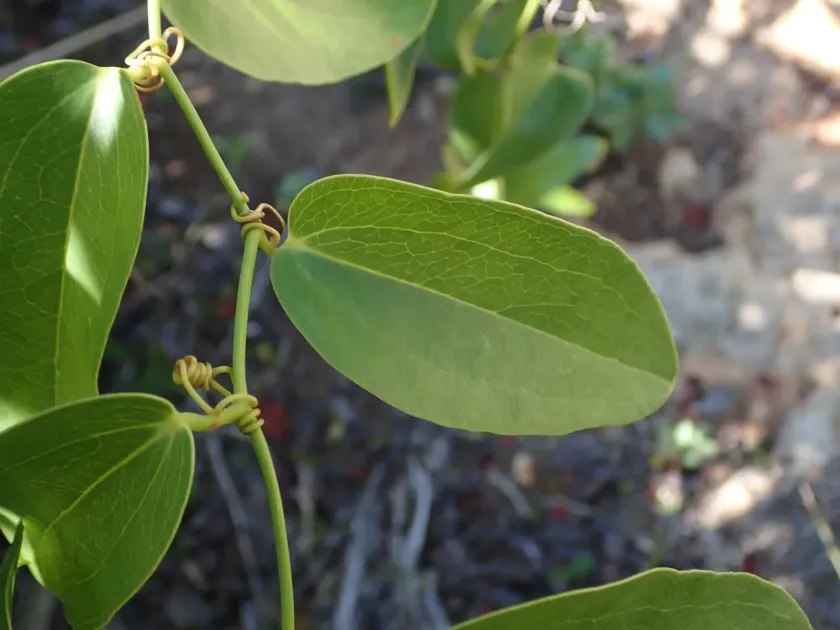
Description
Sowing dates
Cultivation of Smilax coriacea typically begins with high-quality seeds or by dividing mature rhizomes, which is the most reliable propagation method for commercial stocks.
The seeds possess a natural dormancy that requires cold stratification for several weeks to simulate winter conditions and trigger the germination process.
Sowing should be performed in a light, well-draining substrate kept at a constant temperature of 20–25 degrees Celsius to support steady growth of the seedlings.
When using rhizome cuttings, ensure the segments contain at least one dormant bud, which should be planted shallowly to allow for rapid sprouting upon watering.
Early spring is considered the ideal time for sowing, as it aligns with the natural increase in sunlight, providing the necessary energy for young plant development.
Growing requirements
Smilax coriacea, belonging to the Smilacaceae family, is a vigorous evergreen woody vine known for its glossy, leather-like foliage and climbing habit.
The crop thrives in nutrient-rich, slightly acidic, and well-aerated soils that can maintain consistent moisture levels without becoming waterlogged.
Environmental requirements include a stable, warm climate; protection from frost is essential, making greenhouse or conservatory conditions ideal for cooler regions.
While the plants prefer bright, indirect sunlight, they exhibit good tolerance to partial shade, which can prevent leaf scorching and excessive water evaporation.
As a climbing vine, Smilax coriacea requires sturdy trellis systems or support structures to accommodate its vertical growth and allow for proper air circulation.
Yield
Commercial yields of Smilax coriacea are largely dependent on the density of planting and the level of inputs, such as organic fertilizers and regular irrigation.
The harvesting of roots for active ingredients typically begins after 3–4 years of plant maturity, ensuring the rhizome has reached optimal chemical development.
Regular pruning of the aerial stems can stimulate secondary growth, effectively increasing the total biomass produced per hectare over the lifespan of the plantation.
Yield management requires careful monitoring of the plants' health, as excessive harvesting of foliage can limit the energy reserves stored in the roots.
Optimized agrotechnics, including controlled humidity and soil fertility management, are key drivers of consistent and high-quality crop output.
Main diseases and pests
Smilax coriacea is generally robust, but it can be susceptible to common greenhouse pests such as spider mites, which thrive in dry and stagnant air conditions.
Root-borne diseases, particularly fungal rots, represent the most significant threat if drainage is inadequate, leading to the rapid decline of plant health.
Scales and mealybugs can occasionally infest the vines, necessitating the use of systemic or biological controls to protect the integrity of the harvest.
Integrated pest management (IPM) practices, including the use of beneficial insects and regular sanitation, are highly recommended to minimize the use of pesticides.
- Pythium root rot.
- Spider mites (Tetranychidae).
- Powdery mildew (Erysiphales).
- Scale insects (Coccoidea).
Harvesting
The harvest of aerial parts is typically done during the peak of the growing season to ensure that leaves possess the highest possible quality for commercial use.
Root harvesting is executed late in the season, just as the plant enters dormancy, to ensure the concentration of bioactive metabolites is at its peak level.
Following harvest, rhizomes should be thoroughly cleaned of soil and debris, washed, and dried in controlled environments to avoid fermentation or mold growth.
Properly dried and processed material is stored in cool, dark, and dry conditions to maintain stability and prolong the storage life of the final agricultural product.
Professional harvesting techniques, including mechanical assistance for digging, can significantly increase efficiency and reduce labor costs on large-scale plantations.