
Smilax campestris
Smilax campestris
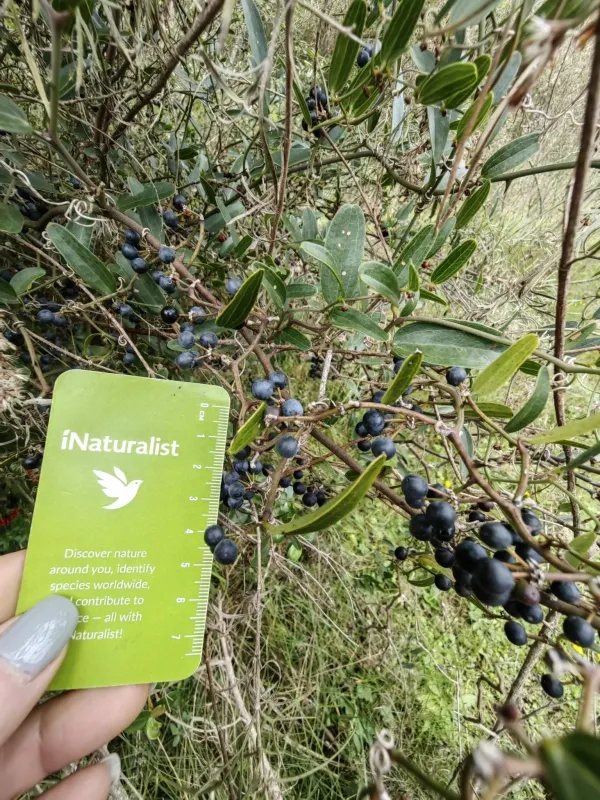
Description
Sowing dates
Propagation of Smilax campestris in cultivation is most commonly carried out vegetatively by dividing rhizomes or using cuttings, which allows for faster establishment of a developed plant. Planting is recommended in the spring once the soil has warmed up and the risk of late frosts has passed.
Seed propagation of this crop is a more laborious process due to the long dormancy period of the seeds, which require stratification at low temperatures. In nursery conditions, seeds are sown before winter in a prepared substrate, providing protection against freezing and excessive moisture.
The optimal planting depth for seeds is 1–2 centimeters, and maintaining stable moisture in the seed layer is critical. Once seedlings emerge, they are pricked out, ensuring sufficient space for the formation of a robust root system during the first year of growth.
Selecting the right planting site plays a decisive role in the successful rooting of the crop, as Smilax is a perennial plant with intensive vine growth. Using high-quality planting material significantly reduces the risk of plant failure during the initial stages of development.
In commercial cultivation for vertical landscaping or raw material production, it is important to follow a planting pattern that ensures air circulation and ease of maintenance. The distance between plants should be at least 1.5–2 meters, depending on the chosen method of bush formation.
Growing requirements
Smilax campestris, belonging to the Smilacaceae family, prefers areas with good drainage and moderately fertile soil. It develops successfully in both sunny locations and conditions of light shade, making it a flexible species for various agro-climatic zones.
The plant possesses a developed root system that requires deep, loose soil for optimal growth. Loamy or sandy soils with a neutral or slightly acidic pH, rich in organic matter, are considered ideal for its development.
The crop has moderate moisture requirements, but it is critically important to prevent water stagnation in the root zone, which can lead to the development of rot. During drought periods, regular watering is recommended to maintain the turgor of actively growing young shoots.
For intensive development, Smilax campestris requires supports, as it is a climbing plant that uses tendrils to attach to vertical surfaces. In terms of agro-technology, this necessitates the installation of trellis structures or mesh fencing.
Climate requirements include protection from strong cold winds that can damage the delicate tips of young shoots. In regions with harsh winters, the Smilax rhizome needs mulching to prevent deep freezing of the soil.
Yield
The productivity of Smilax campestris is primarily evaluated based on the biomass output used in the pharmaceutical industry or ornamental horticulture. Stabilized yield is achieved in the third or fourth year after planting when the plant enters its peak growth phase.
The volume of raw material obtained depends on planting density and the intensity of fertilizer application aimed at developing the aerial parts. With proper care, the crop is capable of accumulating significant shoot mass within a single growing season.
Economic use includes the harvesting of rhizomes, which contain specific biologically active substances. Collecting root mass requires careful excavation to maintain the integrity of underground nodes for future population recovery.
For decorative purposes, yield is measured by the number of marketable branch units, which possess high durability when cut. Timely pruning helps stimulate the growth of side shoots, which visually increases the density of the plant.
Yield recording is carried out on a dry weight basis after cleaning and initial drying processes. High productivity indicators are achieved by ensuring balanced mineral nutrition during the period of active vegetation.
Main diseases and pests
Smilax campestris is characterized by relatively high resistance to typical agricultural pests, though improper agro-technology may lead to attacks by certain insects. Aphids and spider mites are the most common, feeding on the juices of young leaves.
Fungal diseases, such as leaf spot or powdery mildew, can affect the plant during high humidity and poor ventilation. Prevention consists of keeping the site clean and performing timely sanitary pruning.
Root rot poses the greatest threat to the crop in conditions of soil waterlogging or heavy clay substrates. The use of systemic fungicides is recommended only when clear signs of infection appear to prevent the spread of the disease.
To reduce the risk of pest infestation, it is recommended to use environmentally friendly control methods, such as treatment with insecticidal herbal infusions or the use of biological agents. Regular monitoring of the foliage allows for identifying problems at an early stage.
Weed growth in the first two years of the crop's life creates serious competition for nutrients. Mulching the root zones helps suppress weed growth and retains soil moisture, which contributes to strengthening the immunity of the Smilax plants.