
Blood amaranth
Amaranthus cruentus L.
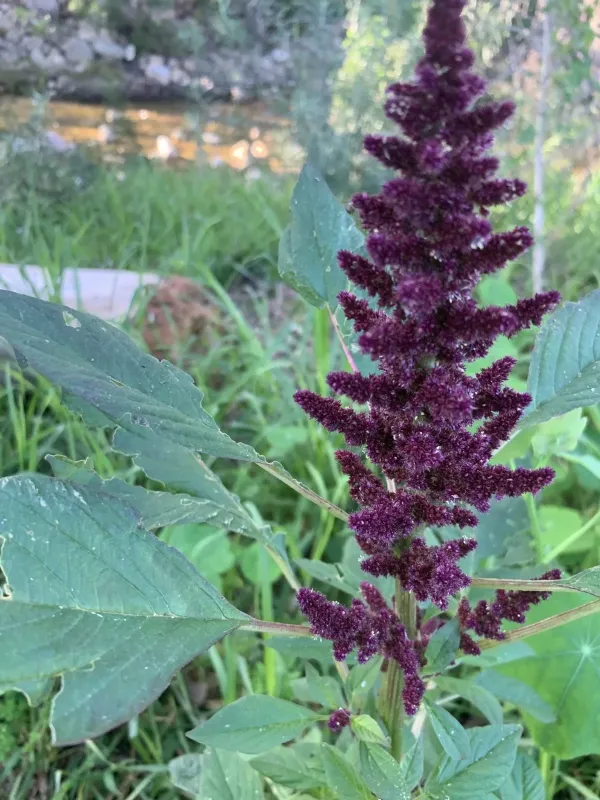
Description
Sowing dates
Sowing of blood amaranth should take place when the soil temperature at a depth of 5–10 cm reaches 12–15°C. This timing is critical as the crop is highly sensitive to cold weather and frost in its early stages, typically occurring in late spring.
For uniform germination, seeds should be sown at a shallow depth, not exceeding 1.5–2 cm. Ensuring good soil-to-seed contact is essential; therefore, light rolling after sowing is a common practice in field conditions.
The seeding rate depends on the intended harvest method and end-use. For row crops, 1–1.5 kg per hectare is standard, while wide-row planting may require less. Maintaining rows between 45–70 cm allows for mechanical weeding throughout the season.
Amaranth displays slow initial growth, making weed competition a significant challenge. The first 3–4 weeks are critical; maintaining a weed-free field during this period is essential to ensure the crop establishes itself properly.
With high-quality seeds and optimal conditions, sprouts emerge within 7–10 days. The target plant density for commercial production is generally between 100,000 and 150,000 plants per hectare at harvest time.
Growing requirements
Blood amaranth is a heat-loving crop belonging to the Amaranthaceae family. It utilizes C4 photosynthesis, allowing it to efficiently convert solar energy and thrive in high-temperature environments, even reaching 35–40°C.
The plant is known for its impressive drought tolerance due to a robust and deep taproot system. However, for maximum biomass or grain yield, consistent but moderate moisture is preferred, particularly during the peak vegetative stage.
While adaptable to various soil types, including loams and chernozems, the plant requires excellent drainage. Amaranth does not tolerate waterlogging, which can quickly lead to root rot and poor crop development.
An optimal soil pH for amaranth cultivation ranges between 6.0 and 7.5. In more acidic soils, productivity drops significantly, making pre-sowing liming a necessary management practice for farmers in specific regions.
The crop responds well to fertilization, particularly nitrogen, which promotes rapid vegetative growth. However, excessive late-season nitrogen application should be avoided as it can delay grain maturation and reduce yield quality.
Yield
Under favorable management, blood amaranth can produce between 40 and 80 tons of green mass per hectare. This yield is highly dependent on soil fertility, moisture availability, and the initial density of the plant population.
Seed yields in commercial operations typically range from 1.5 to 3.0 tons per hectare. Amaranth grain is highly regarded for its nutritional profile, particularly its balanced protein content and high levels of lysine, an essential amino acid.
Biological traits of this species often allow for multiple harvests of green mass within a single season, provided climatic conditions are suitable. This makes it an exceptionally productive forage option for livestock.
The total biomass yield is largely determined by the timeliness of agronomic interventions, especially early-season weed control. Poor management during the establishment phase can lead to substantial yield losses of 30–50%.
Variety selection plays a major role in overall efficiency. Modern breeding programs continue to produce cultivars adapted to specific photoperiods and regional temperature fluctuations, significantly improving stable yield outcomes.
Main diseases and pests
While generally hardy, blood amaranth can be affected by downy mildew and various fungal rots under conditions of high humidity. These diseases can compromise the aesthetic quality of the crop and the health of the seeds.
Pest pressure often includes stem-boring weevils and aphids, which colonize young foliage and inflorescences. Significant pest outbreaks can severely weaken the plant at the critical bud development stage.
Strict adherence to crop rotation is the primary defense against soil-borne pathogens. A gap of 3–4 years between planting amaranth on the same plot is recommended to disrupt the life cycle of specialized pests and diseases.
Chemical control should be employed only when economic thresholds are surpassed. Integrated pest management (IPM) practices, such as using resistant cultivars and maintaining field sanitation, are preferred over broad-spectrum pesticide use.
Proactive strategies, including the use of high-quality treated seeds and precise nutrient management, help create a robust plant population that is more resilient to environmental stress and opportunistic pathogens.
Harvesting
Grain harvest begins when the inflorescences exhibit a deep, mature color and the seeds are firm and easily threshed. Careful timing is vital, as delaying harvest increases the risk of seed shattering and overall yield loss.
Direct combining is the standard approach for seed harvest, using specialized settings to accommodate the tiny size of amaranth seeds. Maintaining moderate harvester speed is crucial to minimize seed mechanical damage.
For green mass, harvesting is best performed between flowering and initial seed set. This window ensures the highest concentration of digestible nutrients and vitamins, which is ideal for high-quality silage production.
Harvested forage should be processed and ensiled immediately to prevent nutrient leaching and spoilage. Proper compaction and sealing are required to manage the high moisture content and ensure successful fermentation.
Post-harvest conditioning includes drying seeds to 12–14% moisture content and cleaning them of debris. Proper storage in a cool, dry environment ensures that the seed maintains its viability for future planting seasons.