
Amaranthus caudatus
Amaranthus caudatus L.
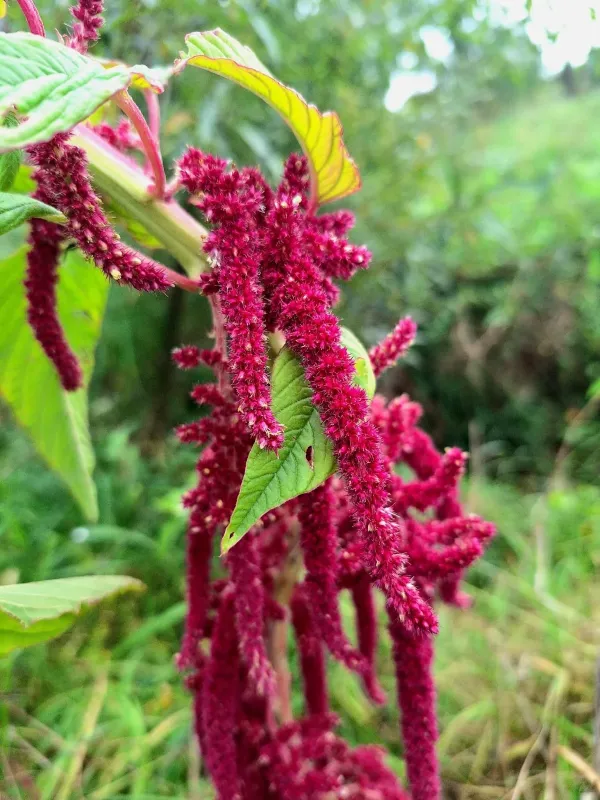
Description
Sowing dates
Sowing Amaranthus caudatus begins when the soil temperature at the planting depth reaches at least 10–12°C, typically marking the end of the spring frost period.
Due to the extremely small size of the seeds, they should be planted at a shallow depth of 1 to 2 centimeters to ensure optimal germination and emergence.
The standard practice is to use row seeding with inter-row spacing of 45 to 70 centimeters, which allows for mechanical weed control during the early stages.
Seedlings usually emerge within 7 to 10 days after sowing, provided that the soil maintains adequate moisture levels throughout the seedbed zone.
The seeding rate is typically between 0.5 and 1 kilogram per hectare, depending on the seed germination percentage and the specific local cultivation method.
Growing requirements
Amaranthus caudatus is a sun-loving, heat-tolerant plant of the Amaranthaceae family that is well-known for its exceptional drought resistance and adaptability.
The crop thrives in fertile, well-draining soils with a neutral or slightly alkaline pH level, though it can tolerate a wide variety of soil textures.
While the plant responds well to nutrient inputs, excessive nitrogen fertilization should be avoided as it may lead to the accumulation of undesirable nitrates.
The plant requires full sun exposure and protection from strong winds, as these factors are crucial for vigorous stem development and proper panicle formation.
Good soil aeration is vital for crop health; waterlogged or overly compacted soils should be avoided to prevent root diseases and stunted plant growth.
Yield
Grain yields for Amaranthus caudatus typically range from 20 to 35 quintals per hectare, depending on the management practices and the specific variety grown.
The biomass production potential is massive, often reaching 400–600 quintals per hectare, making it a highly attractive crop for both grain and fodder production.
Optimizing plant density, usually around 60,000 to 80,000 plants per hectare, is essential for maximizing the yield and achieving uniform maturity at harvest.
Effective weed management during the first month of growth is the most critical factor in ensuring that the crop achieves its full potential yield.
The integration of micronutrients and proper irrigation scheduling can significantly stabilize yields across different environmental and seasonal conditions.
Main diseases and pests
Primary pests that affect this crop include the amaranth weevil and various aphid species, which can cause significant damage during the early vegetative phase.
Fungal diseases, such as root rot and leaf spots, are more common in environments with high humidity or poor soil drainage, often leading to reduced plant health.
Implementing a balanced crop rotation system, avoiding planting amaranth on the same land for at least three years, is the best strategy for disease prevention.
Treating seeds with appropriate fungicides before planting provides an essential barrier against early-season pathogens and ensures a healthy initial stand.
When pest populations exceed economic thresholds, appropriate insecticides should be applied in strict accordance with safety guidelines and pre-harvest intervals.
Harvesting
Grain harvest begins when the panicles show clear signs of maturity, the seeds have hardened, and the plants have naturally dried down in the field.
Harvesting usually occurs in the autumn months, taking advantage of lower temperatures and natural moisture loss in the plant tissue to facilitate easy threshing.
Combines used for harvesting must be carefully adjusted to handle the small seed size of the amaranth to minimize breakage and seed loss during operation.
Post-harvest processing requires immediate cleaning to remove organic debris, followed by drying the grain to a moisture content of 12–14% for safe storage.
For fodder purposes, the crop should be harvested before the seeds fully mature, ensuring the biomass remains rich in protein and highly digestible for livestock.