
Redroot pigweed
Amaranthus retroflexus L.
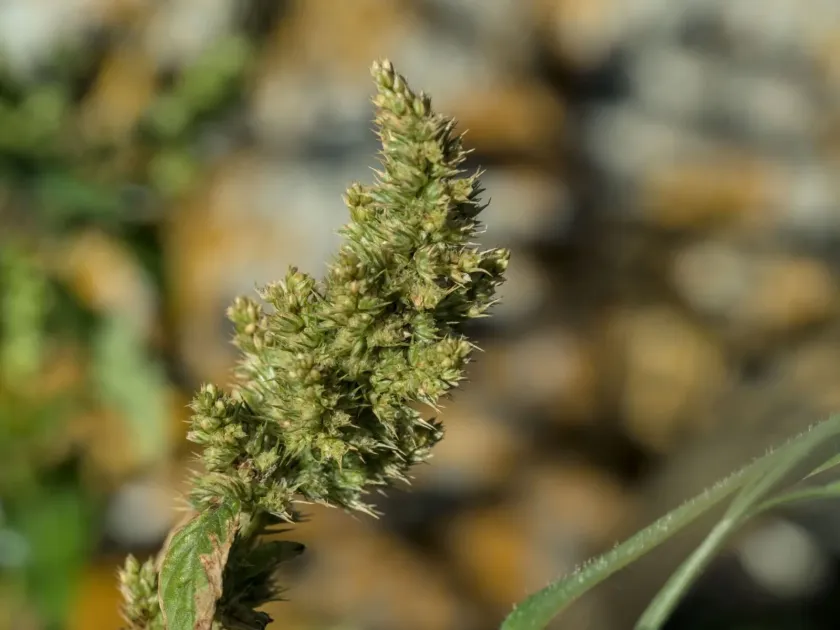
Description
Sowing dates
Redroot pigweed (Amaranthus retroflexus L.) belongs to the Amaranthaceae family and is a heat-loving annual plant. Sowing in open fields should only take place after the soil at seeding depth has warmed up to +12...+15°C.
The optimal sowing time in temperate climates is late May or early June, once the risk of late spring frosts has passed. For high-quality green biomass, seeds are sown in rows with 45–60 cm spacing.
Seeding depth is a critical factor because the seeds are extremely small and require shallow placement. The standard depth is 1–2 cm; deeper sowing significantly reduces germination rates.
Amaranth exhibits high germination energy when soil moisture is adequate. Seedlings typically emerge within 7–10 days, after which the crop begins rapid vegetative growth.
For industrial purposes, sowing density is adjusted to achieve a plant population of approximately 150,000–200,000 plants per hectare.
Growing requirements
The crop has moderate soil fertility requirements but thrives best in light sandy and loamy soils with a neutral pH. It is capable of tolerating short-term drought due to its deep and robust root system.
This is a light-demanding species that reacts negatively to shading. Growth in low-light conditions results in stem stretching and a significant decrease in overall biological yield.
Success depends largely on the absence of weed competition during the early growth stages. Pigweed seedlings are sensitive to mechanical damage, so initial cultivation must be performed with great care.
The crop responds well to nitrogen fertilizers, although excessive application can lead to nitrate accumulation in the green mass. Balanced mineral complexes should be applied prior to the start of the intensive growth phase.
Temperature during the active growing season should ideally range between +22°C and +30°C. If temperatures drop below +10°C, growth slows significantly, and development may stall.
Yield
The yield potential of redroot pigweed green biomass, with proper agronomic management, can reach 40–60 tons per hectare. Performance depends heavily on the climatic zone and moisture availability during critical growth phases.
Maximum nutrient concentration in the plants is observed at the onset of flowering. This is the optimal time for harvesting biomass for forage purposes.
Seed production is extremely high: a single vigorous plant can produce up to half a million tiny seeds, making the species biologically resilient in its natural habitat.
To maximize yields in intensive farming systems, regular inter-row cultivation is performed to aerate the root zone and eliminate competition.
Using pigweed as a green manure cover crop allows for the incorporation of 30–50 tons of organic matter per hectare, which improves soil structure and nitrogen content significantly.
Main diseases and pests
The primary diseases affecting the crop are root rots and powdery mildew, which occur under conditions of excessive moisture or poor drainage. Prevention involves selecting well-drained field sites.
Among pests, weevils and various caterpillar species that damage foliage during the rosette phase pose the greatest threat. Pest management relies primarily on sound crop rotation practices.
The plant possesses high natural resistance to many pests due to the presence of saponins, allowing for a reduction in chemical treatments during the forage growth period.
Under high humidity, stem blight or phytophthora may occur. Affected plants should be removed from the field promptly to prevent the spread of infection to adjacent areas.
Weed control within pigweed plots is challenging due to the botanical relationship with other aggressive weeds, so preference is given to mechanical weeding methods.
Harvesting
Harvesting for green mass is conducted from the early heading stage until the beginning of flowering. At this stage, the plant tissues are tender and hold the highest nutritional value for livestock.
Standard forage harvesters are used to chop the material to the required size. The harvested biomass should be processed for silage or fed to animals immediately.
If the cultivation objective is seed production, harvest occurs after full maturity when the seed heads turn a characteristic brownish color. Timely harvesting is vital to prevent natural seed shedding.
For seed production, direct combine harvesting is used. Due to the small size of the seeds, bunker sealing and drum speed adjustments are necessary to minimize harvest losses.
Post-harvest processing involves drying the seeds to a moisture content of 12–14% and cleaning them of plant debris. Seeds must be stored in cool, dry, and well-ventilated facilities.