
Amaranthus dubius
Amaranthus dubius Mart. ex Thell.
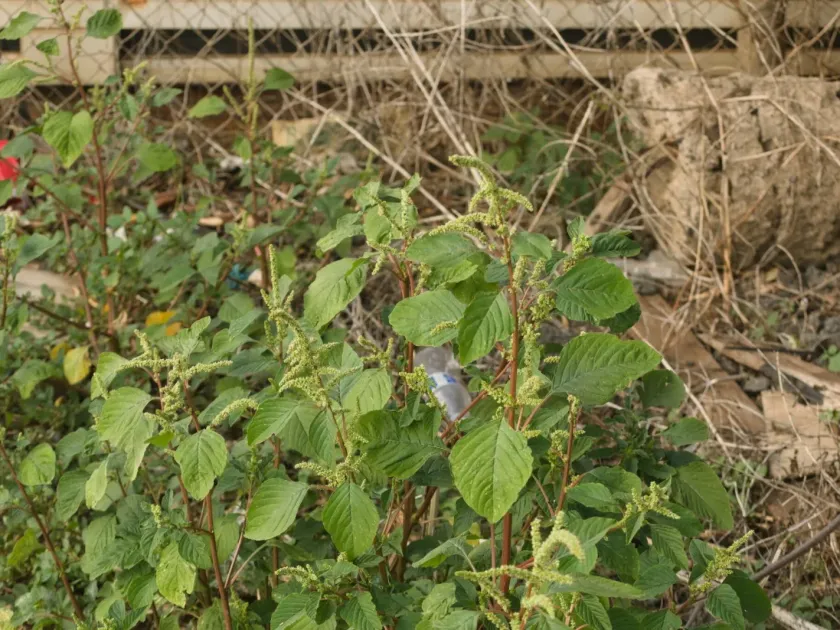
Description
Sowing dates
Amaranthus dubius is a warm-season crop that thrives when soil temperatures are consistently above 15–18°C, making it ideal for late spring planting.
In colder regions, starting seeds indoors or in protected greenhouses is recommended to establish strong seedlings before transplanting.
Seeds should be sown shallowly, at a depth of 1–2 centimeters, because they are tiny and require light and adequate soil moisture for optimal germination.
Proper spacing is crucial to prevent overcrowding, which can lead to poor air circulation and stunted development of the leafy greens.
For a continuous supply throughout the summer, growers often stagger sowings every few weeks to ensure a steady yield of fresh leaves.
Growing requirements
This crop belongs to the Amaranthaceae family and requires a sunny location with full light exposure to maximize its growth potential.
It prefers well-drained, fertile loamy soils with a neutral or slightly acidic pH, avoiding areas prone to waterlogging and compaction.
Although it is known for being drought-tolerant once established, regular irrigation is vital to maintain the succulence and quality of the foliage.
Soil preparation should involve the incorporation of well-rotted compost to provide necessary nutrients, especially nitrogen for leaf production.
Maintaining a weed-free environment during the first stages of growth is essential to minimize competition for nutrients and water.
Yield
The yield of Amaranthus dubius is highly dependent on nitrogen availability, moisture management, and the frequency of leaf harvesting.
It is a highly productive crop capable of multiple harvests, especially when managed with intensive cutting practices throughout the growing season.
Rich in proteins and micronutrients, this amaranth variety serves as a valuable vegetable crop in various tropical and subtropical culinary traditions.
Under optimal conditions, the plant can produce significant biomass within 45–60 days, allowing for high turnover rates in garden beds.
Strategic harvesting cycles ensure that growers achieve the maximum nutritional benefit while keeping the plants healthy and productive.
Main diseases and pests
The primary pests affecting Amaranthus dubius include aphids and various leaf-eating insects that can compromise the plant's aesthetic and culinary value.
Fungal diseases like powdery mildew may occur if the planting density is too high or if the canopy remains damp due to poor ventilation.
Integrated pest management, including crop rotation and the use of physical barriers, is recommended to keep pest populations at bay.
Since the leaves are meant for consumption, the use of harsh chemical pesticides should be strictly avoided in favor of organic solutions.
Early detection of disease is crucial; removing infected leaves or plants quickly helps prevent the spread across the entire plot.
Harvesting
Harvesting usually begins when the plants are around 20–30 centimeters tall, focusing on the youngest and most tender leaves for the best quality.
Growers can choose between selective harvesting of individual leaves or cutting the entire stem to encourage branching and new growth.
The best time to harvest is during the early morning to ensure the leaves maintain their turgidity and nutritional integrity after picking.
Post-harvest handling is critical, as leafy amaranth is highly perishable and should be cooled or stored properly to maintain freshness.
Frequent, light harvests prevent the plant from bolting into flower prematurely, thereby extending the duration of the edible foliage stage.