
Amaranth
Amaranthus hybridus L. x Amaranthus hypochondriacus L.
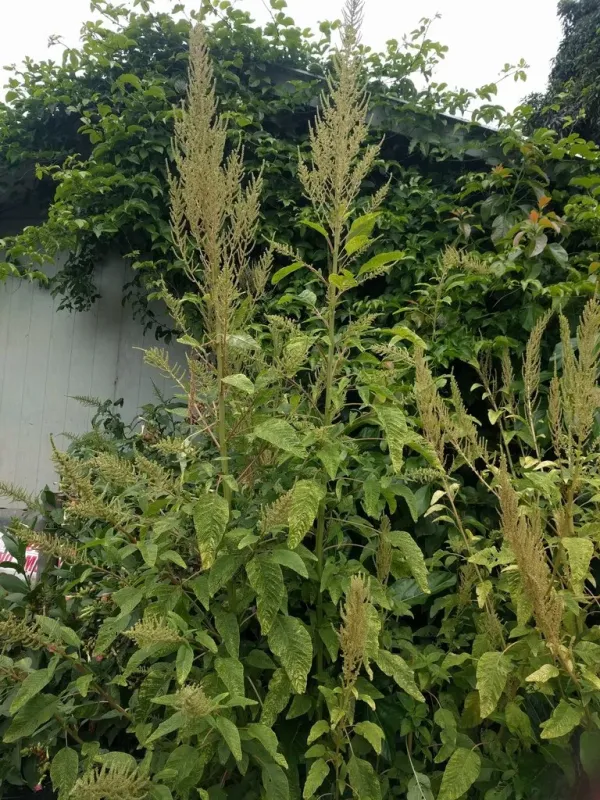
Description
Sowing dates
Sowing of this amaranth hybrid begins when soil temperatures reach 12-14°C at a depth of 5-10 cm. Early sowing in cold soil leads to delayed emergence and increased competition from opportunistic weeds.
The optimal planting time typically falls within the mid-to-late spring window. Precise depth control is essential, as the small seeds of the amaranth hybrid require consistent moisture to germinate effectively.
Seeding depth is generally maintained between 1.5 and 3 cm. Sowing too deep is a common cause of poor stand establishment, as the small embryos lack the energy to push through deep soil layers.
Row spacing is typically set at 45 to 70 cm, allowing for mechanical inter-row cultivation. This practice is crucial for weed control, as the crop grows slowly during its first month of life.
A target population of 100,000 to 150,000 plants per hectare is ideal for maximizing grain yield. Over-seeding can lead to resource competition and stunted plant development.
Growing requirements
As a hybrid of Amaranthus hybridus and Amaranthus hypochondriacus, this plant thrives in warm, temperate to tropical climates. It is highly heat-tolerant and thrives in full sun conditions.
The crop is known for its remarkable drought resistance due to a deep taproot system, although irrigation during the seedling stage significantly boosts long-term productivity.
It prefers well-drained, fertile soils with a neutral pH. The crop performs poorly in acidic soils or in heavy clay soils that are prone to waterlogging and compaction.
Amaranth is a C4 plant, meaning it is highly efficient at fixing carbon dioxide, which allows it to produce massive amounts of biomass under high-temperature and high-light conditions.
Fertility requirements are moderate; however, adequate nitrogen levels are needed during the rapid growth phase to support the development of large, high-yielding inflorescences.
Yield
Grain yields for this amaranth hybrid typically range from 2 to 3.5 metric tons per hectare under well-managed irrigation and fertilization programs.
When grown for silage or fodder, the crop can produce 40 to 60 tons of fresh biomass per hectare, providing a high-protein supplement for livestock.
The yield potential is highly dependent on weed suppression during the early stages. Once the canopy closes, the crop effectively shades out competing weeds for the remainder of the season.
Uniformity in the crop stand is a critical yield factor. Modern hybrids are bred to minimize variability, ensuring consistent maturity across the entire field during harvest.
Effective pest management ensures that energy is directed toward seed development rather than compensatory vegetative growth after damage occurs.
Main diseases and pests
Root rot is the most common threat, particularly in soils with poor drainage or following heavy rainfall during the germination phase.
Various weevils can cause physical damage to stems, while aphids may pose a risk by spreading viral infections within the crop stand.
Fungal leaf spot diseases occur in high-humidity environments, potentially reducing the photosynthetic capacity of the plant and degrading forage quality.
Nematode infestations can build up in the soil over time, making it essential to implement a 3-year crop rotation schedule to break the pest cycle.
- Use of certified, disease-free seed.
- Proper field sanitation to remove host weeds.
- Integrated pest management (IPM) practices.
- Application of fungicides only when infestation thresholds are met.
Harvesting
Harvesting for grain occurs at physiological maturity, identified by the browning of the inflorescences and the hardening of the seeds, which should easily dislodge from the hulls.
Direct combining is possible with modified settings to handle the small seeds gently and prevent damage to the delicate kernels.
Swathing or windrowing is an alternative if the field shows uneven ripening. This allows the plants to dry down naturally in the field before threshing.
For forage production, the crop should be cut at the early flowering stage to maximize the nutritional value, particularly the crude protein content.
Post-harvest handling is critical; seeds must be cleaned and dried to a moisture content of 12% or lower to ensure safe storage and prevent mold development.