
Prostrate amaranth
Amaranthus graecizans L.
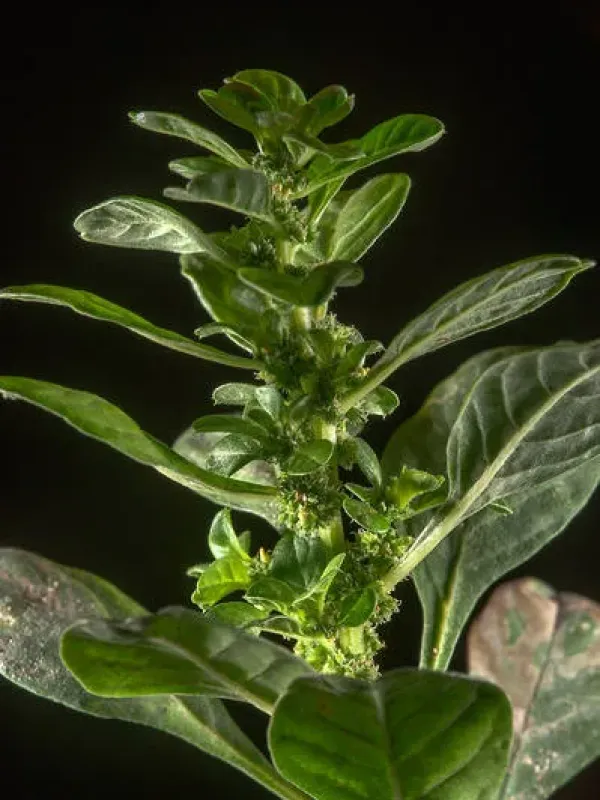
Description
Growing requirements
Prostrate amaranth (Amaranthus graecizans L.) is an annual herbaceous plant belonging to the Amaranthaceae family. It is typically characterized by a low-growing, spreading habit, which allows it to cover the ground surface efficiently.
Originating from the Mediterranean and Western Asia, this species has successfully colonized diverse habitats across the globe. In agricultural settings, it is primarily categorized as an invasive weed due to its rapid growth rate and resource exploitation.
The plant thrives in high-temperature environments and requires ample sunlight for optimal development. As a C4 photosynthetic plant, it excels at biomass production under hot, arid conditions, often outperforming temperate crops.
It is remarkably adaptable to various soil types, ranging from nutrient-poor sandy soils to compacted saline substrates. This flexibility allows the plant to survive in environments where traditional crops might fail.
Agrotechnical management relies on mechanical cultivation and crop rotation strategies. Ensuring that the soil is worked during early emergence stages significantly reduces the weed seed bank and competition with the main crop.
Main diseases and pests
Prostrate amaranth acts as a host for various agricultural pests and pathogens, including viruses and nematodes. By harboring these threats, the plant indirectly impacts the health and yield of neighboring crops.
Diseases such as white mold and powdery mildew can affect the plant canopy, especially in high-density patches. While the weed itself remains resilient, it maintains an active disease cycle in the field.
Insects like flea beetles can cause localized damage, but the plant's robust nature allows it to recover quickly. Therefore, biological control agents are rarely effective enough to eliminate an established population.
Effective control strategies involve a combination of pre-emergence and post-emergence herbicides. The selection of chemicals depends on the specific crop safety protocols and the developmental stage of the amaranth.
Preventative measures are essential, such as ensuring seeds and machinery are clean before entering the field. Due to the long dormancy of its seeds, the soil remains a potential source of infestation for many years.