
Skimmia hybrids
Skimmia hybrids
Description
Growing requirements
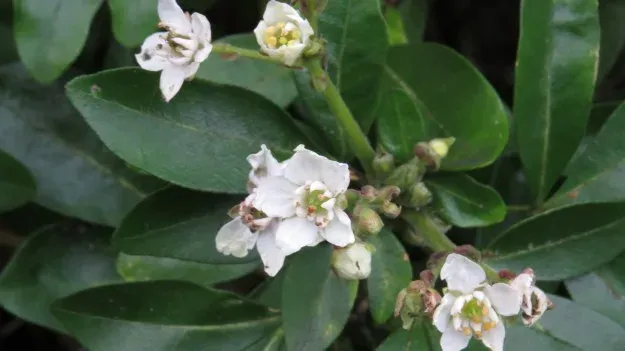
Skimmia hybrids belong to the Rutaceae family and are highly valued as ornamental evergreen shrubs in temperate climates. These plants are appreciated for their glossy, leathery foliage and clusters of bright red berries that remain on the branches throughout the winter months, adding color to the garden.
The culture thrives in partial shade or sheltered sites, avoiding direct midday sun which can scorched the foliage. These plants are naturally adapted to woodland conditions, making them ideal for planting beneath taller trees or shrubs that provide protection and filtered light.
Soil conditions are critical for the healthy growth of Skimmia. The ideal substrate is rich in organic matter, well-draining, and acidic to neutral in pH. If the soil is heavy clay, it must be amended with peat or compost to ensure proper aeration and prevent root rot due to waterlogging.
Watering requirements are consistent: the soil should remain moist but never waterlogged. It is essential to use soft or rainwater for irrigation, as Skimmia is sensitive to lime and hard water, which can trigger yellowing of the leaves and nutrient deficiencies.
In terms of climate, these hybrids are moderately hardy but prefer protection from harsh, drying winds. They are excellent candidates for container gardening, where they can be moved to sheltered areas during extremely cold winters or extreme weather conditions.
Main diseases and pests
Common pests that affect Skimmia hybrids include spider mites and scale insects, especially when the plant is kept in dry, indoor environments or during prolonged dry spells outdoors. Routine inspection and the use of horticultural oils can effectively manage these infestations.
Diseases are mostly related to root health. Phytophthora root rot can occur if the drainage is inadequate, leading to plant wilting and eventual death. Prevention involves choosing well-drained planting sites and avoiding over-fertilization with non-acidic formulas that change soil chemistry.