
Skimmia arborescens
Skimmia arborescens
Description
Growing requirements
Skimmia arborescens is an evergreen shrub or small tree belonging to the Rutaceae family. It is native to the temperate forest regions of the Himalayas and parts of Southeast Asia, where it thrives in moist, shaded environments characterized by fertile, leaf-mould rich soils.
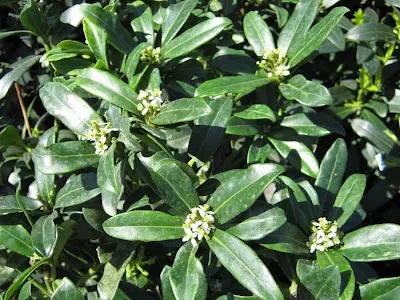
Botanically, the plant is distinguished by its glossy, dark green leaves that release a pleasant, aromatic scent when crushed. It exhibits a slow growth habit and forms a dense, rounded canopy. As a dioecious species, it requires both male and female plants to be present to facilitate pollination and the production of berries.
Cultural requirements involve maintaining acidic to neutral soil pH and ensuring excellent drainage to prevent root rot. This species is shade-tolerant and prefers locations protected from direct harsh sunlight, which can otherwise scorch the foliage and cause severe moisture stress during hot summer days.
Regarding climate, Skimmia arborescens requires stable humidity and protection from extreme temperature fluctuations. While it is hardy in many temperate zones, it is best suited for sheltered garden positions or as a container-grown specimen that can be protected during harsh winter frost periods.
In terms of horticultural use, the plant is highly valued for its year-round decorative appeal. It is commonly used in landscape architecture as a structural shrub, providing year-round green coverage, beautiful spring blossoms, and vivid red berries that offer winter interest in ornamental gardens.
Main diseases and pests
The primary threats to Skimmia arborescens are related to soil-borne pathogens, specifically root rot fungi encouraged by poor drainage and waterlogged conditions. Proper soil management and avoiding excessive irrigation are critical for the health of the plant.
Pests such as scale insects and spider mites can infest the plant, particularly if it is kept in dry, indoor environments or overcrowded garden conditions. Maintaining adequate ambient moisture and conducting regular plant health inspections are effective strategies for managing these typical ornamental pests.