
Skimmia anquetilia
Skimmia anquetilia
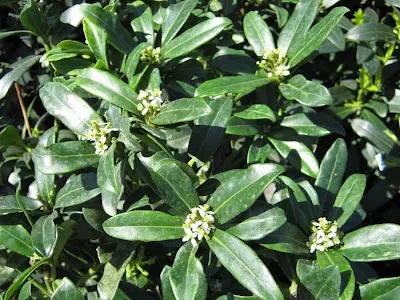
Description
Growing requirements
Skimmia anquetilia is an ornamental evergreen shrub belonging to the family Rutaceae. Native to the western Himalayas, this species thrives in woodland environments, where it is protected by the canopy of larger trees.
The plant is prized for its glossy, dark green leaves and fragrant inflorescences. It is a slow-growing shrub that maintains a compact and neat appearance throughout the year, making it an excellent choice for ornamental landscaping.
To succeed in cultivation, this plant requires acidic, well-draining soil rich in organic matter. It does not tolerate waterlogging, which necessitates the preparation of a high-quality drainage system when planting in the ground or in containers.
The species prefers locations with dappled shade or partial shade. Direct, intense sunlight can scorch the foliage and reduce the plant's overall vigor, while deep shade may lead to leggy growth and fewer flowers.
In terms of temperature, it prefers mild, temperate climates. While it can withstand light frosts, it should be protected from harsh, freezing winds which can damage the evergreen foliage during winter months.
Main diseases and pests
Skimmia anquetilia is susceptible to common pests including spider mites and scale insects, especially when grown in environments with poor air circulation or low humidity.
Root rot is the most significant disease threat for this species. It is typically caused by poorly drained soil or excessive irrigation, which creates a suffocating environment for the plant's root system.
Chlorosis, indicated by the yellowing of leaves with green veins, is frequently observed when the plant is exposed to alkaline soils, which prevent the effective absorption of iron and other essential micronutrients.
Preventative measures include maintaining proper soil pH levels, ensuring adequate drainage, and avoiding overhead watering to keep foliage dry and prevent fungal outbreaks.
In case of pest infestation, horticultural oils or systemic insecticides should be applied carefully according to the manufacturer's instructions to eliminate colonies without harming the plant's foliage.