
Seseli tortuosum
Seseli tortuosum
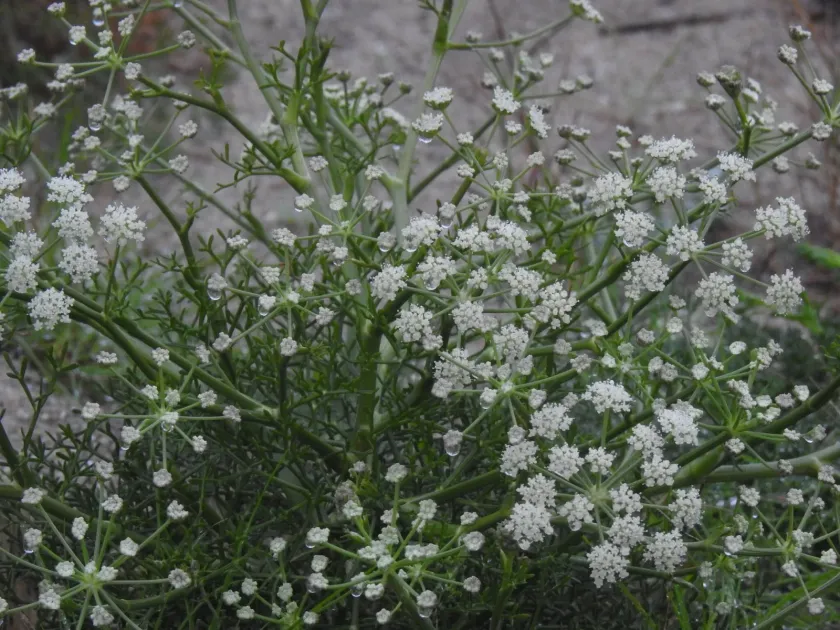
Description
Growing requirements
Seseli tortuosum is a perennial herbaceous plant belonging to the Apiaceae family. It is native to the Mediterranean basin, where it typically inhabits rocky, limestone-rich, and arid landscapes.
The plant is highly drought-tolerant and thrives in full sun exposure. It requires extremely well-drained soils, as waterlogging is detrimental to its deep taproot system, often leading to physiological decline or rot.
In terms of agricultural management, the soil pH should be neutral to alkaline. Being a plant of poor soil origins, Seseli tortuosum does not require intensive fertilization, making it a low-input crop suitable for marginal lands.
Climate requirements include warm, dry summers and mild winters. It is highly adapted to regions characterized by high solar radiation, which enhances the synthesis of essential oils within the plant tissues.
The plant is recognized for its ornamental value and its potential in the production of natural extracts. Its unique morphology, featuring twisted stems and intricate foliage, also contributes to its role as a botanical curiosity in specialized horticulture.
Main diseases and pests
The primary threats to Seseli tortuosum include fungal infections like powdery mildew, which thrive in environments with poor air circulation and high relative humidity levels.
Pests such as umbellifer-specific moths and leaf-mining insects can cause damage during the active growing season. Integrated pest management strategies are essential to maintain crop health.
Root rot, specifically caused by Phytophthora or Pythium species, is a significant risk in poorly drained substrates. Soil amendment with sand or grit is recommended to prevent such losses.
Weed competition can be a major challenge during the early stages of establishment. Regular mechanical weeding is necessary to prevent smothering of the young plants.
Monitoring for signs of sap-sucking insects is also advised, as they can act as vectors for viral diseases, which are difficult to manage once established in the plantation.