
Cantabrian seseli
Seseli cantabricum
Description
Growing requirements
Cantabrian seseli is a perennial herbaceous plant belonging to the Apiaceae family. It is recognized for its adaptation to specific limestone habitats and rocky slopes, which defines its cultivation requirements.
The plant thrives in well-drained, slightly alkaline soils with moderate fertility. Providing a sunny location is essential for maximizing the development of secondary metabolites, which are significant for its medicinal potential.
Climate requirements include a preference for Mediterranean-like environments with warm growing seasons and high light intensity. It exhibits remarkable drought tolerance due to its deep taproot system, making it suitable for areas with low annual rainfall.
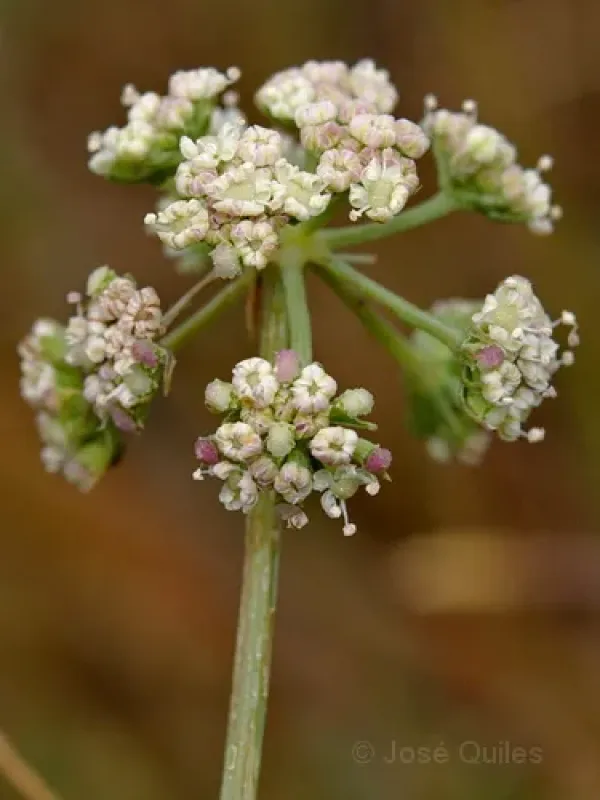
Botanically, it forms a rosette of highly divided leaves, followed by a sturdy stem bearing typical compound umbels. The plant reaches reproductive maturity, producing seeds that are essential for large-scale propagation.
Cultivation practices focus on maintaining low soil moisture levels and preventing competition from aggressive weeds. Proper spacing is necessary to ensure adequate air circulation around each individual plant.
Main diseases and pests
Powdery mildew is the most common fungal disease, especially in conditions of poor air circulation. Managing humidity and thinning the canopy are primary methods of prevention for commercial plantings.
Root damage caused by soil-borne insects, such as wireworms, poses a serious threat during the initial establishment phase. Implementing soil monitoring before planting is a recommended best practice.
Aphids can infest the inflorescences, causing stunted growth and reducing seed yield. Targeted biological control or mild systemic insecticides are often effective if applied during the early onset of infestation.
Root rot is a critical threat that usually arises from poor drainage or excessive irrigation. It is essential to ensure that the site has a steep or well-draining profile to avoid saturated soil conditions.
The accumulation of pests in intensive monoculture can lead to rapid decline; therefore, practicing crop rotation and avoiding the immediate proximity of other Apiaceae crops is strongly advised.