
Seseli campestre
Seseli campestre
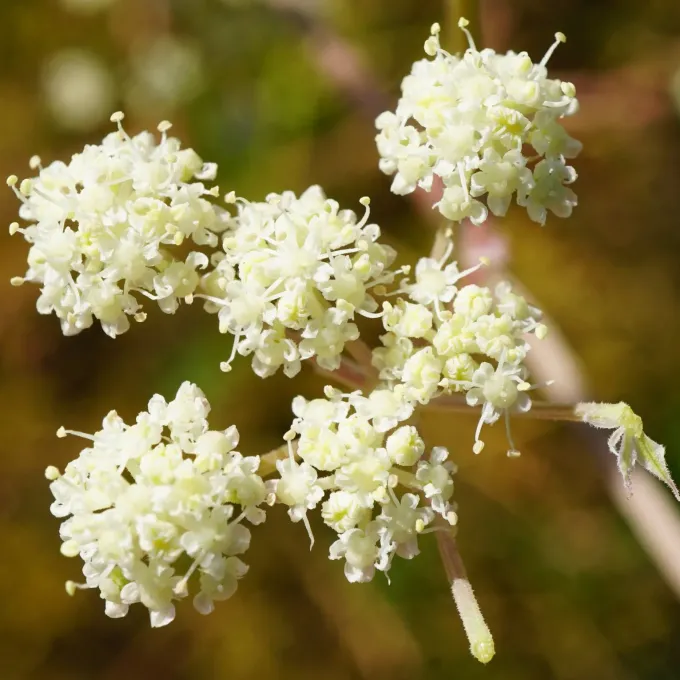
Description
Growing requirements
Seseli campestre is a perennial or biennial herbaceous plant belonging to the Apiaceae (Umbelliferae) family. Native to various regions of Europe and Western Asia, this plant has adapted to survive in dry, well-drained calcareous habitats.
The morphology of this plant includes a robust taproot system and branching stems, typically growing to a height of 30–80 cm. The leaves are compound, providing a distinct appearance, while the small flowers are clustered in characteristic umbels.
Regarding soil requirements, Seseli campestre thrives best in light, sandy, or loamy soils that possess excellent drainage. It is highly sensitive to waterlogging, which can easily trigger root rot and compromise the development of the entire plant stand.
The plant is exceptionally well-suited for temperate climates with hot, dry summers. Its drought tolerance is one of its most valuable traits for agricultural production in regions where water resources are scarce and irrigation is not feasible.
In industrial agriculture, this species is cultivated primarily for its aromatic properties. The seeds and vegetative parts contain essential oils and phytochemicals that are increasingly sought after by the pharmaceutical and cosmetic industries.
Main diseases and pests
The most common disease threats involve fungal infections such as powdery mildew, especially in fields with poor air circulation. High humidity levels during the growing season significantly increase the risk of disease spread within the population.
Insects like aphids and seed-feeding beetles represent the primary pest threats. These pests can significantly impact the quality of the raw material, necessitating regular monitoring during the flowering and seed-ripening phases to protect the harvest.