
Seseli dichotomum
Seseli dichotomum
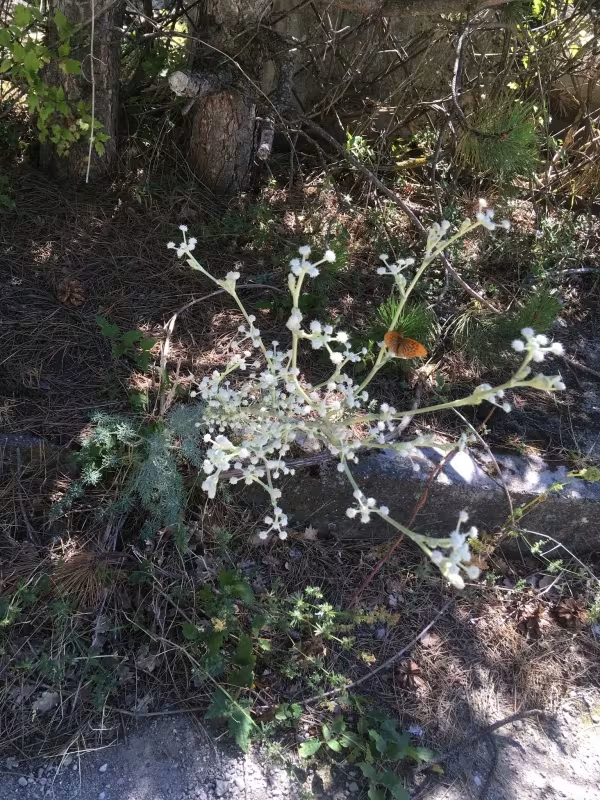
Description
Growing requirements
Seseli dichotomum is a perennial herbaceous plant belonging to the Apiaceae (Umbelliferae) family. It is characterized by a robust root system and a branched, rigid stem structure, which reflects its adaptation to arid and semi-arid environments.
The native range of this species covers steppe and limestone-rich regions, where it thrives under conditions of high solar radiation. Its ability to tolerate low soil moisture makes it a resilient crop for marginal lands that are often unsuitable for cereal production.
Requirements for successful cultivation include well-drained, porous soils, preferably with a high mineral content. Waterlogging must be strictly avoided, as the root system is highly sensitive to hypoxia and prolonged exposure to excessive moisture in the substrate.
Regarding climate, the plant requires a distinct seasonal cycle to trigger physiological processes such as flowering and seed maturation. It exhibits excellent winter hardiness, allowing it to survive in regions with significant temperature fluctuations throughout the year.
Economically, Seseli dichotomum is valued as a source of essential oils and specialized phytochemicals. Its cultivation supports biodiversity by providing forage for various pollinators during the blooming season, making it an ecological asset in integrated farming systems.
Main diseases and pests
The primary threats to the cultivation of this species involve fungal pathogens that affect the roots and collar area. Excessive humidity remains the leading cause of crop failure, especially in clay-heavy soils that impede proper air circulation.
Common insect pests include various species of aphids and true bugs that target the umbels during the reproductive phase. These infestations can lead to significant yield losses and lower the overall quality of the harvested essential oils.
Disease management strategies rely heavily on proper soil drainage and adequate spacing between plants to prevent the buildup of humidity. Rotational planning is essential to prevent the accumulation of pathogens in the soil over successive growing seasons.
Weed competition is a critical challenge during the establishment year when the plant growth rate is slow. Maintaining clean rows through manual or mechanical cultivation is necessary to ensure the crop establishes a strong enough root system to compete effectively.
Early detection of infestations through routine field scouting allows for timely and targeted interventions. Whenever possible, biological controls are preferred over chemical pesticides to preserve the purity of the medicinal compounds in the raw plant material.