
Seseli rigidum
Seseli rigidum
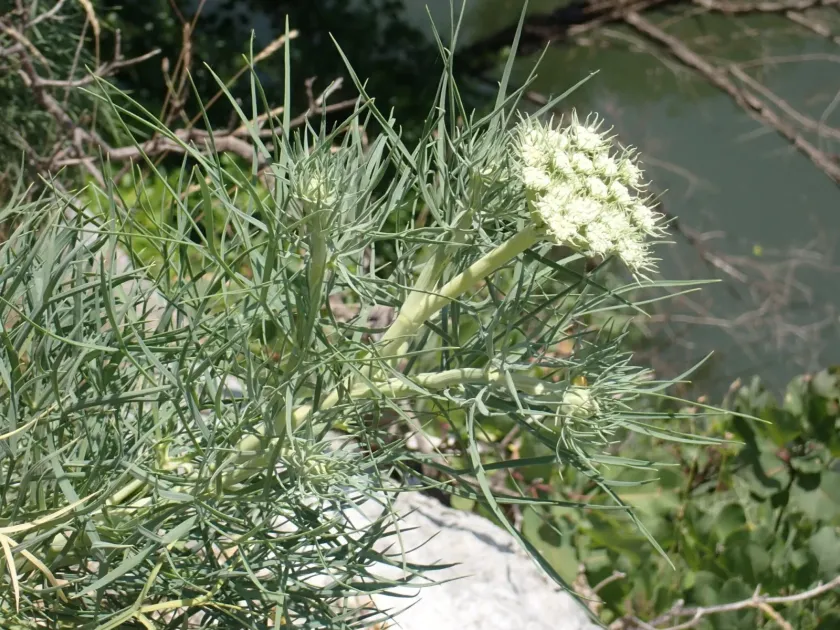
Description
Growing requirements
Seseli rigidum, commonly known as rigid seseli, is a perennial herbaceous plant belonging to the Apiaceae family. It is naturally adapted to rugged terrain, including dry rocky slopes and steppe ecosystems, demonstrating high resilience to environmental stressors.
The plant exhibits a robust vegetative structure, characterized by stiff, branched stems and finely divided leaves. Its deep-reaching taproot system allows it to thrive in arid conditions where moisture availability is limited during the peak growing season.
Regarding soil requirements, Seseli rigidum strictly prefers well-drained, porous substrates. Calcareous or sandy soils are ideal, whereas heavy, waterlogged clay soils are unsuitable and often lead to root rot or reduced physiological vigor.
The species requires full sun exposure to optimize the synthesis of secondary metabolites within its tissues. In agricultural settings, it is best suited for cultivation in zones with high light intensity and low to moderate annual rainfall.
The primary utility of this plant lies in its ethnobotanical and potential pharmaceutical value. Scientific interest often focuses on its chemical composition, specifically the presence of coumarins and essential oils, which are researched for their medicinal properties.