
Mountain Seseli
Seseli montanum
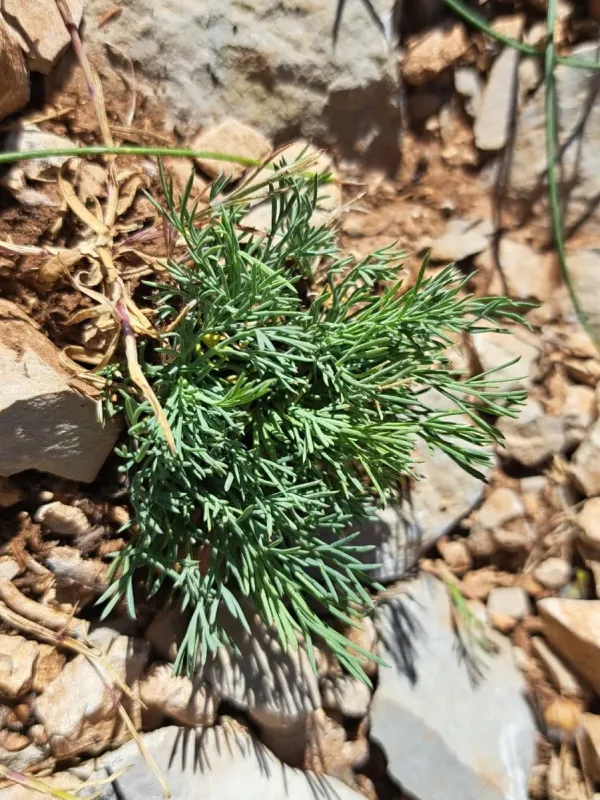
Description
Growing requirements
Mountain Seseli (Seseli montanum) is a perennial herbaceous plant belonging to the Apiaceae family. It is native to the rocky, mountainous regions of Southern and Central Europe, where it thrives in calcareous, well-drained limestone soils.
Botanically, the plant is characterized by a deep taproot system and finely divided, semi-evergreen foliage. The plants reach maturity slowly, forming complex umbels that bloom during the mid-summer months, providing significant nectar for local pollinators.
Successful cultivation requires full sun exposure and excellent soil drainage. Mountain Seseli is highly sensitive to waterlogged conditions, which can lead to root rot; therefore, planting on slopes or raised beds is often recommended to prevent moisture accumulation.
The climate requirements include a preference for warm, dry summers and moderate winters. While it is hardy, the plant performs best when kept away from high-humidity zones, as damp conditions interfere with the development of essential oils in its tissues.
The agricultural usage of this species is largely focused on the extraction of aromatic oils and compounds used in natural fragrances and herbal medicine. Its hardiness makes it a candidate for sustainable farming in marginal, rocky environments where traditional crops fail.
Main diseases and pests
The primary threats to Mountain Seseli crops are fungal infections resulting from poor ventilation or high soil moisture. Specifically, powdery mildew can affect the leaves during humid spring and autumn periods, reducing the overall vitality of the plant.
Pest management should focus on common Apiaceae pests, including aphids and various lepidopteran larvae. These pests can damage the delicate umbels and foliage, negatively impacting both the aesthetic quality and the chemical composition of the harvest.
Crop rotation is the most effective cultural practice to prevent soil-borne pathogens. Avoiding the planting of Seseli after other Apiaceae members like carrots, fennel, or parsley helps to break the life cycle of specialized pests and soil diseases.
Integrated Pest Management (IPM) strategies, including the use of beneficial insects or physical barriers, are preferred over broad-spectrum chemical interventions. Keeping the field free of invasive weeds ensures that the crops have sufficient airflow and space.
In cases of severe infestation, targeted applications of approved biological agents should be used to protect the crop. Regular scouting is essential to identify early symptoms and ensure that production remains within organic standards when possible.