
Moon carrot
Seseli libanotis
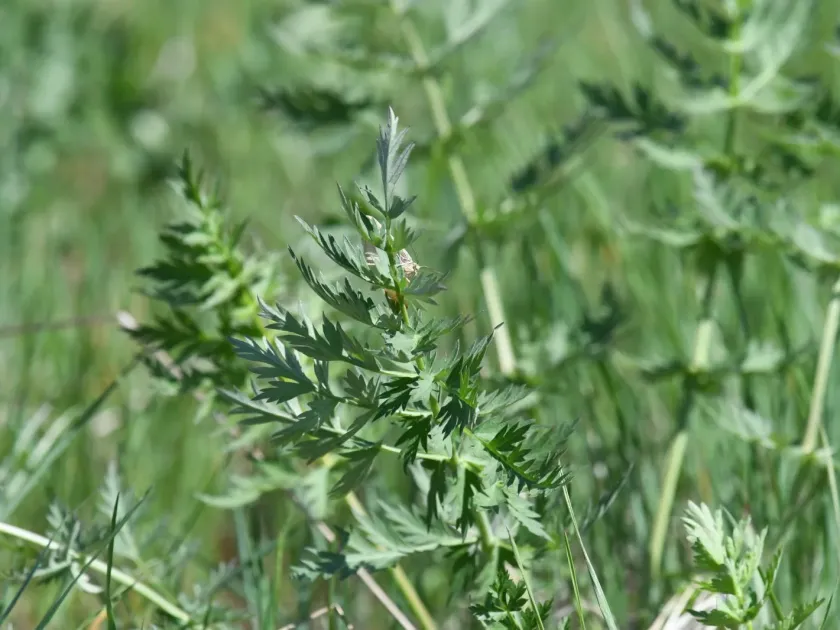
Description
Sowing dates
The moon carrot (Seseli libanotis) is a perennial herbaceous plant belonging to the Apiaceae family, well-adapted to meadows and steppe ecosystems.
Propagation is primarily achieved through seeds, which often require cold stratification to break dormancy and ensure high germination rates in the spring.
Sowing should be performed in well-prepared, fine-textured soil, as the seeds are small and have limited energy to push through a deep layer of substrate.
Rows should be spaced approximately 50 centimeters apart to allow for proper airflow and to facilitate mechanical weeding during the establishment phase.
In the first year, the crop invests its energy into forming a robust basal rosette of leaves, while stem elongation typically occurs during the second year.
Growing requirements
This crop thrives in sunny locations with well-drained, alkaline, or calcareous soils that mimic its natural habitat in European and Asian grasslands.
It displays remarkable resilience to drought and heat, making it an excellent candidate for regions where water resources for irrigation are limited.
Waterlogging is detrimental to the health of the plant, as excessive moisture in the root zone quickly leads to root rot and loss of total yield.
The plant performs best in sites with high solar exposure, which is critical for the biosynthesis of secondary metabolites and essential oils.
Soil fertility requirements are moderate; the plant is highly adapted to nutrient-poor, rocky substrates and does not require intensive fertilization.
Main diseases and pests
The most common agricultural threats include aphids and leaf-eating beetles that specifically target members of the Apiaceae family during the growing season.
Fungal diseases, such as powdery mildew and various leaf spot pathogens, can become problematic in humid climates or where plant density is too high.
Root parasites and soil-borne nematodes can impact the longevity of the perennial crop, especially in fields with inadequate crop rotation practices.
Early detection of pests is vital, as heavy infestations can reduce the quality of the harvested aerial parts used in pharmacological preparations.
Integrated pest management strategies focusing on biological control are preferred to maintain the quality standards required for medicinal and industrial use.
Harvesting
Harvesting the aerial biomass for medicinal use is conducted during the peak flowering phase to ensure the highest concentration of active compounds.
Seed harvesting requires careful timing; the umbels are collected just as they begin to turn brown to prevent premature loss through seed shattering.
For root harvest, plants are typically lifted at the end of the vegetative cycle to capture the peak accumulation of stored nutrients in the taproot.
All harvested plant materials must be dried rapidly under shade or in temperature-controlled facilities to avoid oxidation and loss of volatile compounds.
Proper storage conditions are essential for maintaining the shelf life of the final product, requiring low humidity and protection from UV light exposure.