
Seseli lehmannii
Seseli lehmannii
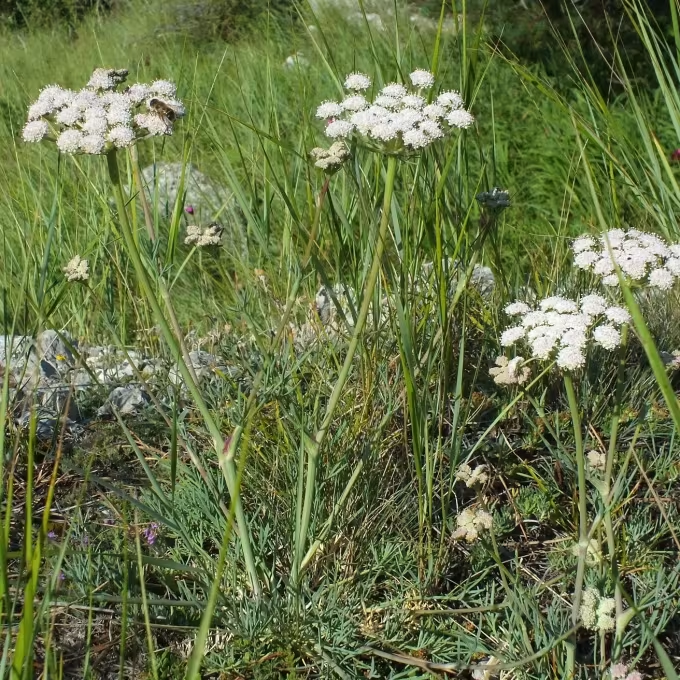
Description
Growing requirements
Seseli lehmannii is a perennial herbaceous plant belonging to the Apiaceae family. It is a specialized species native to the rocky landscapes and mountain slopes of Central Asia, known for its resilience in harsh environmental conditions.
This species requires high light intensity and perfectly drained soils to thrive. It is best suited to limestone-based, gritty, or gravelly substrates that prevent moisture accumulation and root rotting.
The botanical structure of the plant includes a deeply penetrating taproot and a rosette of pinnate leaves covered with a waxy, bluish-grey bloom. This adaptation helps minimize transpiration in arid climates.
From an agrotechnical perspective, Seseli lehmannii is a drought-tolerant crop that requires very little intervention once established. It is well-adapted to wide temperature fluctuations and high levels of solar radiation.
The plant is historically significant for its content of bioactive compounds, particularly coumarins and essential oils. These substances make it a valuable resource for the pharmaceutical industry in developing anti-inflammatory medicines.
Main diseases and pests
The primary threats to Seseli lehmannii cultivation include fungal diseases, particularly those that thrive in stagnant air or waterlogged conditions, such as powdery mildew.
Root system issues caused by poor drainage often lead to fungal infections, which are lethal if not addressed with improved soil structure and reduced irrigation frequency.
Insect pests associated with the Apiaceae family, such as aphids and umbellifer larvae, present a major risk by damaging the reproductive organs and reducing overall seed yield.
Viral infections may occur, often transmitted by sap-sucking insects, which can lead to stunting and chlorosis, permanently reducing the vitality of affected individuals.
Integrated pest management, including regular scouting and early identification of affected tissues, is essential to maintain a healthy population in controlled cultivation environments.