
Seseli hippomarathrum
Seseli hippomarathrum
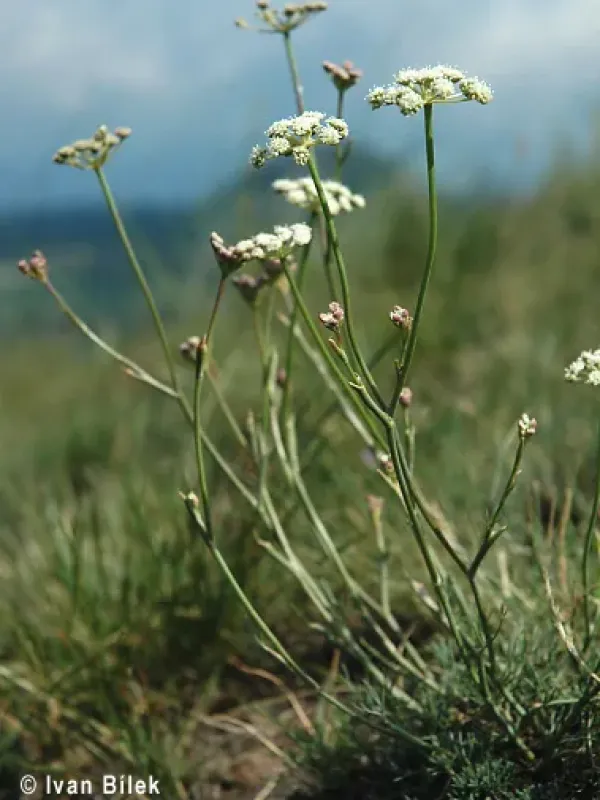
Description
Growing requirements
Seseli hippomarathrum, commonly known as horse fennel, is a perennial herb belonging to the Apiaceae family. It is native to Central and Southern Europe, primarily found in dry grasslands, rocky slopes, and meadows where environmental conditions are relatively harsh for other plant species.
Botanically, this species is characterized by its deep taproot and finely divided, feathery foliage. It is a well-adapted xerophyte, meaning it has evolved structural mechanisms to survive in environments with low water availability and high levels of direct solar radiation throughout the growing season.
When cultivating this crop, soil drainage is the most critical factor. The plant thrives in sandy or limestone-rich soils that possess a neutral to slightly alkaline pH. Soils prone to waterlogging or compaction will inhibit growth and likely lead to root decay within the first year of establishment.
Climate requirements for Seseli hippomarathrum involve long, warm summers with moderate precipitation. It is highly resilient to temperature fluctuations but requires full sun exposure to ensure proper metabolic activity and the accumulation of secondary metabolites within its tissues.
Standard cultivation practices involve sowing seeds in rows during the spring, ensuring they are not buried too deeply. Because the seedlings are relatively delicate, farmers should prioritize weed control in the initial stages of growth to prevent resource competition from more aggressive, fast-growing species.
Main diseases and pests
The primary threats to the health of Seseli hippomarathrum are fungal diseases triggered by excessive humidity. Diseases such as root rot and powdery mildew can decimate a stand if air circulation is poor or if irrigation methods provide too much moisture to the foliage and root zone.
Pests affecting this crop include various aphids and coleopterans that feed on tender stem tissues and floral structures. Their feeding activity can cause stunted growth and significantly decrease the overall biomass yield of the plant if left unmanaged during the peak growing season.
Integrated Pest Management (IPM) strategies are highly recommended to protect the crop. This involves regular monitoring of the field, maintaining appropriate plant spacing to improve airflow, and the use of targeted biological agents to control pest populations without damaging the delicate ecosystem.
Preventive measures also include careful site selection and the avoidance of land previously occupied by other Apiaceae members to minimize the soil-borne pathogen load. Regular maintenance of soil aeration and avoiding excessive nitrogen fertilization helps keep plants robust and resistant.
In addition to biotic threats, abiotic stress can compromise the crop's defense mechanisms. Ensuring the plants are not subjected to sudden shifts in soil salinity or prolonged periods of water stress will help the plant maintain its natural immunity against common field pathogens.