
Seseli gummiferum
Seseli gummiferum
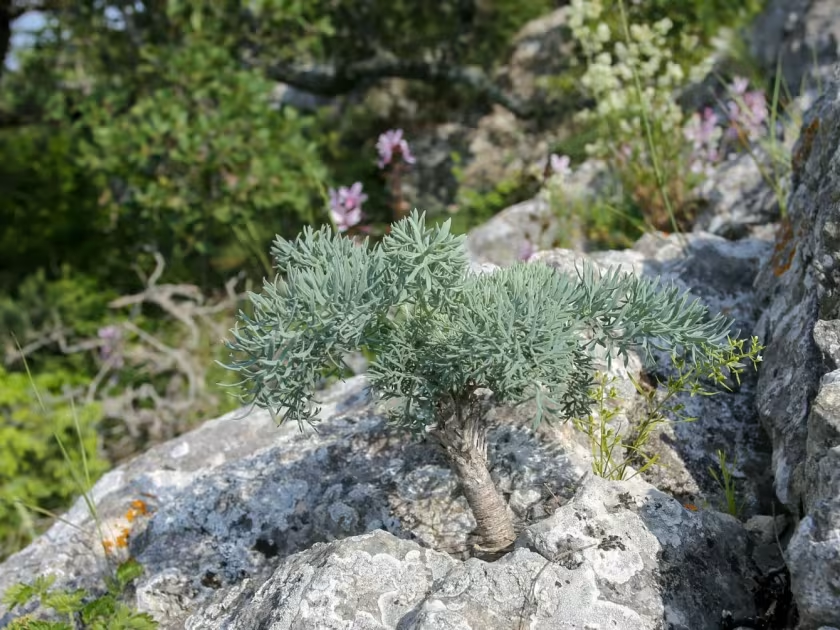
Description
Growing requirements
Seseli gummiferum, commonly known as a type of moon carrot, is a perennial herbaceous plant belonging to the Apiaceae family. In its natural habitat, it is predominantly found in arid and rocky regions, such as the Crimea, the Caucasus, and parts of the Mediterranean basin.
The crop thrives in open, sun-exposed areas. It possesses remarkable drought resistance, a trait derived from its evolutionary adaptation to nutrient-poor, rocky, or calcareous soils that ensure excellent water drainage.
For successful cultivation, it is critical to avoid moisture stagnation in the root system, as waterlogging is detrimental to this species. The soil profile should mimic natural conditions, with neutral to slightly alkaline loamy soils being the most suitable environment.
The plant develops a deep taproot and a distinct rosette of basal leaves, often covered in a characteristic glaucous bloom. Its stems are erect and branched, topped with complex umbels that release a distinct aromatic scent due to a high concentration of resins and essential oils.
Economically, Seseli gummiferum is valued both as an ornamental plant for rock gardens and as a source of bioactive compounds used in the pharmaceutical industry and traditional herbal medicine practices.
Main diseases and pests
The primary pests affecting Seseli species are insects specializing in the Apiaceae family. Caterpillars of certain butterfly species pose a significant threat by damaging the foliage and reproductive organs, which negatively impacts the plant's aesthetic value and seed production.
Under conditions of high humidity and poor air circulation, plantings may be susceptible to fungal diseases such as powdery mildew or various forms of root rot. Effective management strategies focus on strict adherence to cultivation spacing and careful site selection to ensure adequate airflow.