
Senegalia westiana
Senegalia westiana
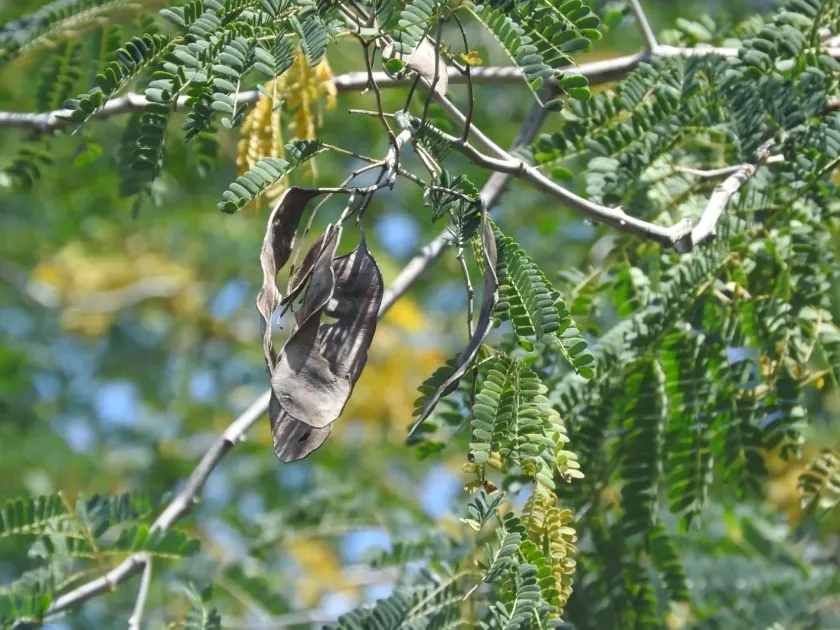
Description
Growing requirements
Senegalia westiana is a distinctive species within the Fabaceae family, recognized for its hardy nature in tropical climates. As a member of the Mimosoideae subfamily, it shares many biological traits with other legumes, specifically the ability to form symbiotic relationships with nitrogen-fixing bacteria.
Optimal growth for Senegalia westiana is achieved in well-drained, porous soils such as sandy loams. Heavy clay soils are generally unsuitable as they retain excessive moisture, which can lead to root asphyxiation and eventual plant death in this species.
This crop requires full exposure to direct sunlight throughout the day to sustain its metabolic processes. Areas with significant cloud cover or shading are not ideal for commercial production, as reduced light intensity leads to spindly growth and lower biomass yield.
The climate requirements revolve around tropical temperature ranges, ideally between 22 and 32 degrees Celsius. While the plant can tolerate short periods of water stress, consistent growth depends on moderate moisture availability during the early establishment phase of the plantation.
Agrotechnical practices involve careful soil preparation, focusing on maintaining soil structure and aeration. Fertilization should be balanced, with specific attention paid to mineral content that supports the development of the nodule-forming root system characteristic of the genus.
Main diseases and pests
Common agricultural threats to Senegalia westiana include leaf-eating insects such as various coleopterans and lepidopteran larvae. These pests can rapidly defoliate young trees, severely impacting their photosynthetic capacity and overall health.
Root pathogens, particularly fungal species within the Fusarium and Phytophthora genera, represent a major risk factor. Infection often correlates with soil waterlogging, which compromises the root architecture and provides an entry point for disease.
Foliar diseases, such as powdery mildew, may occur in high-humidity microclimates. Proper spacing between rows and individual plants is essential to facilitate adequate airflow, which naturally reduces the risk of fungal proliferation in the plantation.
Integrated pest management (IPM) is recommended for sustainable cultivation. This includes the use of pheromone traps for monitoring insect activity and the targeted application of biological control agents to manage pest populations without excessive chemical use.
Post-harvest threats are primarily centered on seed-boring insects. Ensuring that harvested seeds are dried properly and stored in cool, low-humidity environments is the standard protocol for maintaining seed viability and preventing infestation by stored product pests.