
Senegalia burkei
Senegalia burkei
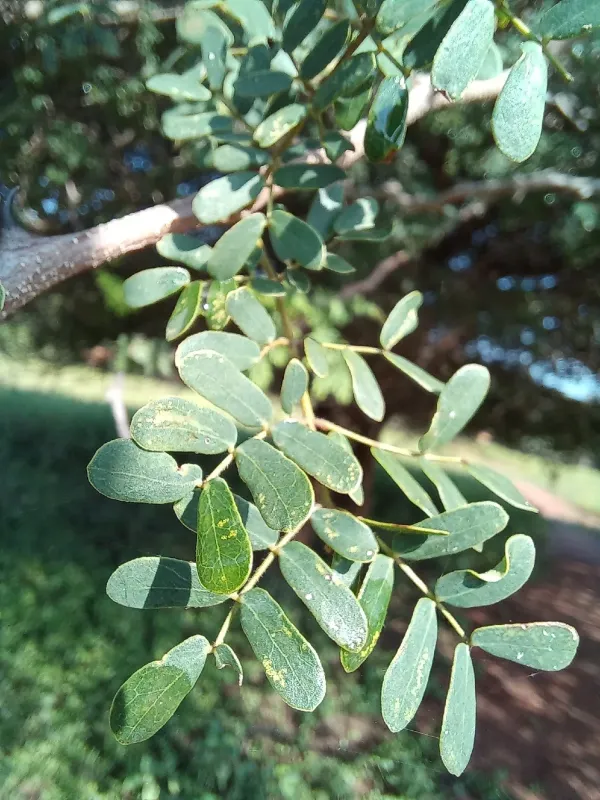
Description
Growing requirements
Senegalia burkei, commonly known as the Black Monkey Thorn, is a deciduous tree belonging to the Fabaceae family, native to southern Africa.
This species thrives in well-drained sandy or rocky soils, demonstrating high drought tolerance and adaptability to nutrient-poor substrates.
It requires full exposure to sunlight for healthy development and is typically found in savanna biomes, scrublands, and open woodland areas.
The tree establishes symbiotic relationships with nitrogen-fixing bacteria, which allow it to thrive in challenging environments where soil nutrients are scarce.
Optimal climatic conditions include warm temperatures and seasonal rainfall, although the plant can endure extended periods of extreme aridity.
Yield
The primary economic value of Senegalia burkei lies in its exceptionally hard, dense, and termite-resistant wood used for furniture and construction.
Its timber is highly regarded for its durability, often used in making high-quality fence posts, beams, and decorative carvings that last for decades.
Beyond timber, the tree serves as an essential component of the ecosystem, providing browse for various herbivores and nectar for local pollinators.
In agroforestry systems, the species is utilized for windbreaks and soil stabilization, helping to combat desertification in arid agricultural regions.
The potential for sustainable harvesting makes it a promising candidate for reforestation programs focused on restoring native woody vegetation.
Main diseases and pests
Young trees are highly susceptible to browsing by goats and wildlife, which can result in stunted growth and mortality during the establishment phase.
Seed predation by bruchid beetles is a major biological threat that significantly limits the reproductive success and regeneration of the species.
Fungal infections can develop in the root system or trunk if the tree is subjected to prolonged waterlogging or high-humidity environments.
Parasitic plants, such as various species of mistletoe, can infest the canopy, drawing vital nutrients and weakening the overall vigor of the tree.
Invasive weed species compete with Senegalia burkei seedlings for limited moisture and nutrients, often overshadowing them in the early stages of growth.