
Senegalia caesia
Senegalia caesia
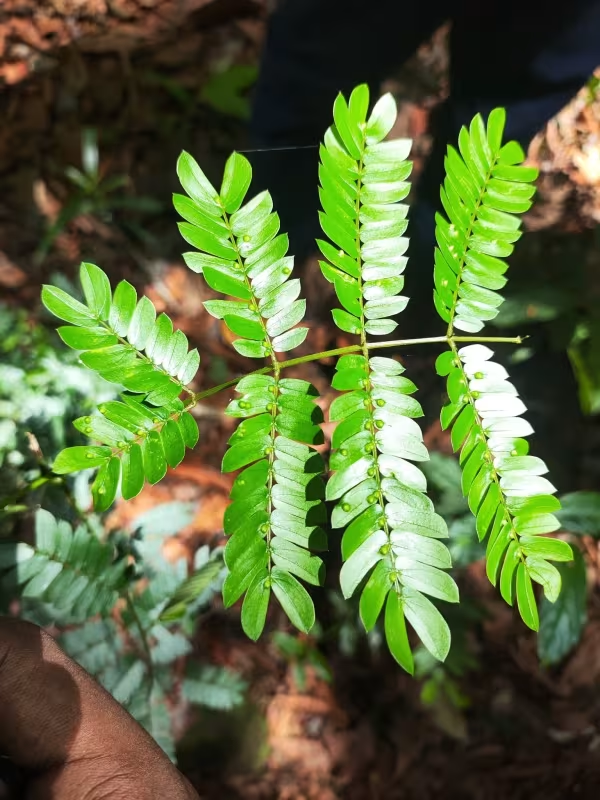
Description
Growing requirements
Senegalia caesia is a climbing woody vine or shrub belonging to the Fabaceae family. Native to tropical regions of Asia, this plant is characterized by its ability to thrive in dense forest environments and diverse tropical soil types.
The crop requires well-drained, nutrient-rich soils to support its rapid development. Adequate moisture is essential during the growing season, although the plant displays moderate drought tolerance once fully established.
Climatic requirements for Senegalia caesia involve a stable tropical environment with temperatures consistently above 20 degrees Celsius. It performs best in areas with high humidity and significant annual rainfall.
In agricultural systems, this plant is valued for its hardiness and ability to occupy vertical space. Proper support structures are often required if the plant is being managed for intensive biomass production.
The botanical structure of the plant includes compound leaves and specialized stems designed for climbing. Its development requires careful monitoring to ensure that nutrient availability matches its rapid growth rate.
Main diseases and pests
Common threats to Senegalia caesia include various fungal diseases that thrive in high humidity. Root rot is a significant risk if the soil remains waterlogged for extended periods during the rainy season.
Pests, particularly wood-boring insects and leaf-eating beetles, can cause localized damage to the stems and foliage. Regular inspection is vital to maintaining the health of the plant population.
Disease management strategies focus on maintaining air circulation and preventing overcrowding. Removing infected debris helps to suppress the spread of pathogens in the orchard or field.
Biological controls are often preferred over heavy chemical use to protect the surrounding biodiversity. Integrated pest management (IPM) techniques are highly recommended for sustainable cultivation.
Environmental stress, such as extreme temperature fluctuations, can also weaken the plant, making it more susceptible to opportunistic diseases. Providing stable conditions remains the best defense.