
Senegalia bonariensis
Senegalia bonariensis
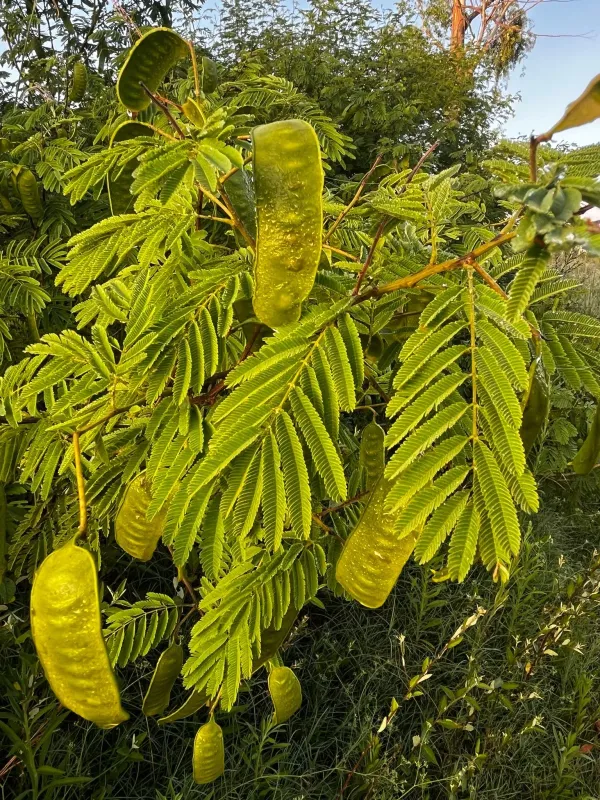
Description
Growing requirements
Senegalia bonariensis is a woody plant belonging to the Fabaceae family, subfamily Mimosoideae. Historically, this species was grouped under the Acacia genus before taxonomical reclassification.
The plant originates from South America, with its primary natural range encompassing Argentina and nearby regions. It is well-adapted to savanna environments and requires sunny, open spaces to thrive.
Regarding soil requirements, the crop favors well-drained substrate with a neutral to slightly acidic pH. It performs optimally in loamy or sandy soils that prevent water stagnation.
The plant demonstrates significant resilience to high temperatures and seasonal drought conditions. Proper moisture management during the early growth stages is essential for deep root system establishment.
Agriculturally, this species is valued for its ability to fix atmospheric nitrogen, thereby improving soil fertility. It is also used in reforestation projects and as a soil erosion control measure.
Main diseases and pests
The primary threats to Senegalia bonariensis involve root rot pathogens, which are typically triggered by poor drainage and excessive irrigation during periods of high humidity.
Pests such as wood-boring beetles can cause structural damage to the stems, making the plants more vulnerable to environmental stress and secondary fungal colonization.
Leaf spot diseases, caused by various fungal strains, may occur in dense plantings where airflow is restricted, leading to premature defoliation and reduced growth rates.
Mitigation of these threats relies on correct spacing of crops to ensure adequate ventilation and the implementation of proactive sanitation measures, such as removing infected biomass.
Monitoring the plant's health periodically allows for early intervention, reducing the need for chemical control and promoting a sustainable approach to plantation management.