
Senegalia welwitschii
Senegalia welwitschii
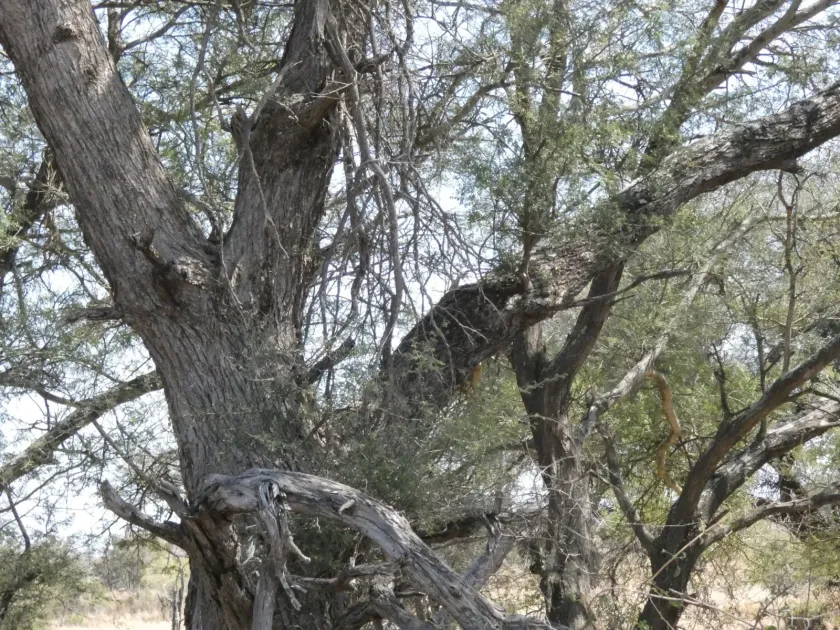
Description
Growing requirements
Senegalia welwitschii is a woody perennial plant belonging to the Fabaceae family. Originally classified under the genus Acacia, this species is now part of the Senegalia genus, reflecting its unique taxonomic and botanical characteristics within the legume family.
Native to the tropical regions of Southern Africa, including Angola and Zambia, this tree is well-adapted to savanna ecosystems. It thrives in environments with distinct seasonal cycles, demonstrating remarkable resilience to prolonged dry spells and intense heat.
The cultivation requirements for this species focus on well-drained soil types. It prefers sandy or rocky substrates that prevent waterlogging, as the root system is sensitive to excessive moisture. Adequate site selection is crucial to ensure proper aeration and drainage for healthy development.
As a light-demanding species, Senegalia welwitschii requires full sun exposure for optimal growth. Providing sufficient space between individual trees is essential to prevent canopy competition and ensure that each plant receives enough sunlight to support robust wood production.
In terms of agricultural and ecological use, the species is valued for its hard timber and soil improvement capabilities. By forming a symbiotic relationship with nitrogen-fixing bacteria, it contributes to the nutrient quality of the soil, making it a valuable component in agroforestry systems.
Main diseases and pests
The most common threats to Senegalia welwitschii include fungal root rots, which often arise in poorly drained soils. These pathogens can cause significant mortality in young plantations, necessitating strict control over soil moisture levels and avoiding water saturation.
Insect pests, such as wood-boring beetles, represent a major concern for mature trees. These insects can compromise the integrity of the trunk, making the trees susceptible to wind damage and secondary infections that further weaken the woody structure over time.
Seed predators, particularly bruchid beetles, are a significant issue during the reproductive phase. They can infest pods directly on the tree, significantly reducing the viability of seeds and hampering efforts to propagate the species in commercial nurseries.
Effective management strategies involve regular field monitoring and the use of targeted biological controls where possible. Maintaining healthy tree vigor through proper spacing and sanitation helps to minimize the incidence of pest infestations and fungal outbreaks.
Cultural practices such as pruning infected branches and maintaining clear zones around young plants can greatly improve the overall health of a stand. Ensuring high-quality planting material is used at the start of the production cycle is also critical for long-term plantation success.