
Senegalia vachella
Senegalia vachella
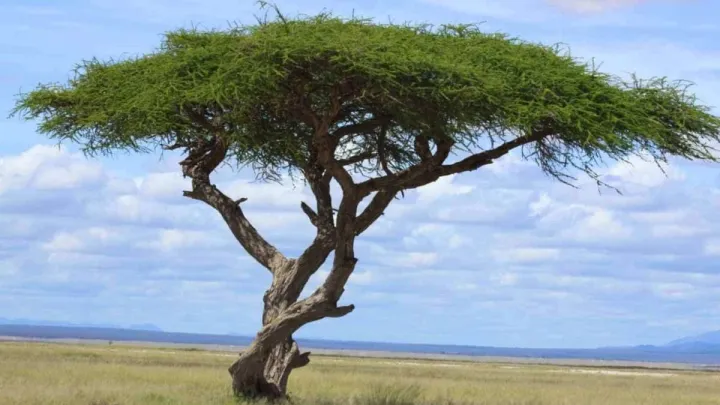
Description
Growing requirements
Senegalia vachella is a prominent member of the Fabaceae family, widely recognized for its robust nature and adaptation to arid and semi-arid environments. It serves as a critical biological component in tropical and subtropical ecosystem restoration.
The crop thrives in well-drained soils, ranging from sandy loams to rocky terrains. It exhibits remarkable tolerance to low nutrient levels, largely due to its nitrogen-fixing capabilities, which effectively enrich the surrounding soil profile.
Climate-wise, Senegalia vachella requires high levels of solar radiation and warm temperatures throughout its growing season. It is specifically adapted to regions with prolonged dry spells, making it an excellent candidate for sustainable agriculture in water-scarce areas.
Agricultural management is relatively low-input, focusing primarily on the initial establishment phase. Once the root system is well-developed, the plant becomes highly resilient to environmental stressors such as heat waves and moisture deficits.
Economically, the species is valued for its versatility. It provides durable wood, nutritious forage for livestock during droughts, and contributes significantly to soil stabilization and biodiversity within agroforestry systems.
Main diseases and pests
The primary biotic threats include various bruchid beetle species that attack seeds, potentially reducing natural regeneration rates and commercial seed quality if left unmanaged.
Fungal pathogens associated with root rot can emerge if the trees are planted in areas prone to seasonal flooding or poor drainage, necessitating careful site selection.
Leaf-feeding insects can cause localized outbreaks, leading to significant defoliation and reduced photosynthetic capacity, which impacts the overall growth rate of the plantation.
Invasive weed species can outcompete young Senegalia vachella seedlings for light and soil moisture, requiring periodic weeding during the first few years after planting.
Vertebrate pests, including rodents and roaming livestock, pose a risk to younger trees by stripping bark or browsing on apical shoots, which often requires protective fencing.