
Senegalia schweinfurthii
Senegalia schweinfurthii
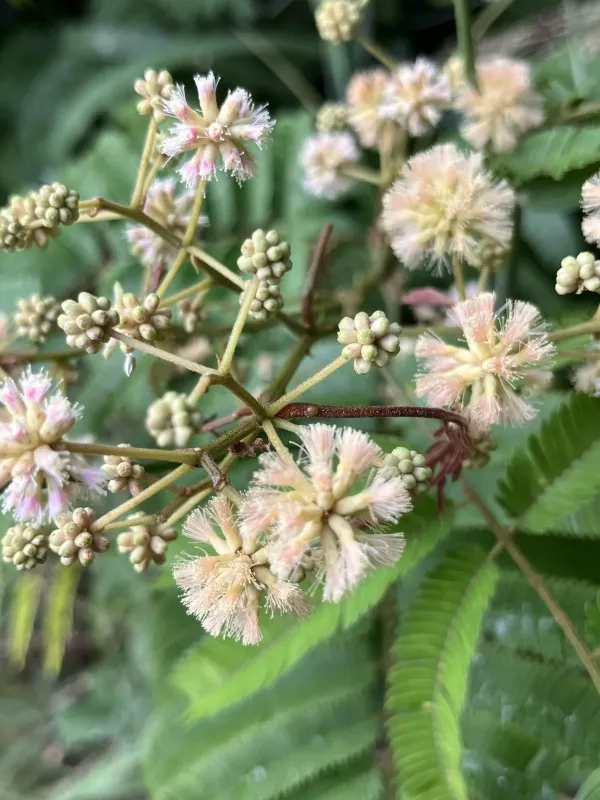
Description
Sowing dates
Senegalia schweinfurthii is a member of the Fabaceae family, which was formerly classified under the genus Acacia. Its propagation starts with high-quality seeds that require special pre-sowing treatment.
Scarification is a vital step in the sowing process, as the hard seed coat needs to be mechanically or chemically softened to ensure uniform germination across the field.
The optimal sowing time aligns with the onset of the rainy season, allowing the seedlings to establish a strong root system before the arrival of harsh, dry conditions.
For nursery production, seeds should be planted at a shallow depth of approximately 2-3 centimeters in well-draining, nutrient-balanced potting media.
Young plants are sensitive to initial environmental stress, so providing partial shade during the first few weeks of development significantly increases survival rates.
Growing requirements
This species thrives in tropical and subtropical environments, showing a strong preference for well-draining sandy or loamy soils with adequate aeration.
Senegalia schweinfurthii requires full sun exposure to maintain its metabolic functions and promote vigorous growth of branches and foliage.
Temperature management is crucial; the plant prefers a warm climate between 22 and 35 degrees Celsius and is strictly intolerant of freezing temperatures.
The plant demonstrates remarkable drought resistance once established, making it a sustainable choice for reforestation or biomass production in arid areas.
Soil quality is improved through the plant's natural ability to fix atmospheric nitrogen via symbiotic relationships with specialized soil bacteria.
Yield
The agricultural value of Senegalia schweinfurthii is primarily found in its biomass, which serves as a source of fuel wood and raw material for local crafts.
Yield capacity is highly dependent on rainfall patterns and soil fertility, with managed plots showing significantly higher production of woody biomass.
Sustainable harvesting of branches allows for a continuous yield of raw materials without compromising the long-term health of the parent trees.
In silvicultural systems, the species can contribute to multi-strata agroforestry, providing shade for companion crops and improving overall soil structure.
Yield assessments in commercial plantations should account for density, as overcrowding can restrict growth and reduce the quality of the harvested wood.
Main diseases and pests
Common plant diseases for this species include various root rot pathogens, which typically emerge in waterlogged or poorly drained soil conditions.
Insect pests, particularly boring insects and leaf-chewing caterpillars, can cause localized damage that may stunt growth if left unmonitored.
Aphid infestations on young, succulent shoots can cause leaf curling and attract secondary fungal infections, requiring proactive management.
Effective management includes regular inspection for signs of distress and the immediate removal of infected plant tissues to prevent spreading.
Integrated pest management, combining physical monitoring and biological controls, is the most effective approach for maintaining healthy plantation sites.
Harvesting
Harvesting for wood and biomass is best scheduled during the dry season to minimize the risk of post-harvest rot and facilitate easier transportation.
Due to the presence of sharp thorns, manual harvesting requires strict safety protocols and the use of protective equipment to prevent injuries to workers.
After felling or branch pruning, the material should be processed or dried immediately to ensure the best quality for fuel or industrial purposes.
Efficient resource management involves categorizing the harvested biomass into fuel wood, mulch, or secondary material based on current market demands.
Proper harvest planning ensures the regeneration of the plant population, allowing for subsequent harvests while maintaining ecological balance.