
Senegalia rugata
Senegalia rugata
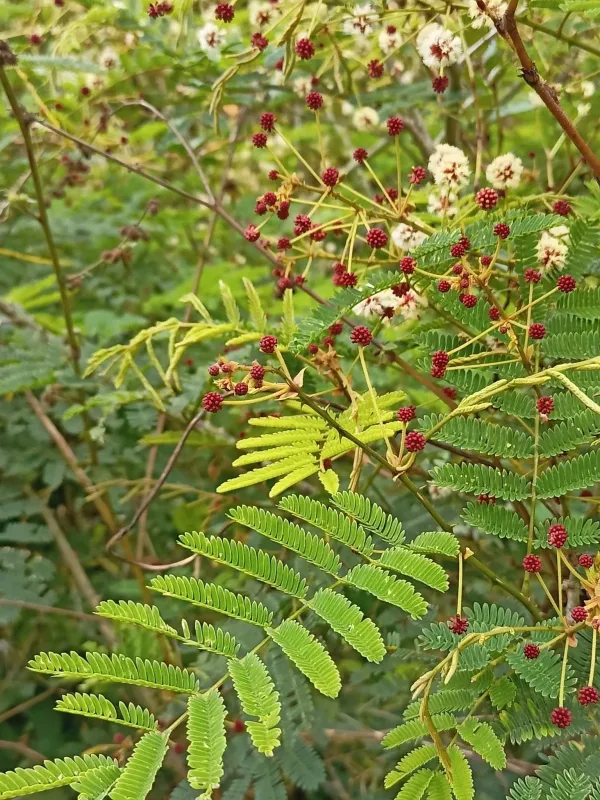
Description
Sowing dates
Senegalia rugata, widely recognized as Shikakai, belongs to the Fabaceae family. Its cultivation begins with the selection of high-quality seeds, which typically require scarification to overcome the dormancy induced by their hard outer coats.
The optimal planting time coincides with the start of the rainy season to ensure natural hydration. Seeds are usually placed in nursery beds at a depth of 2 to 3 centimeters, providing enough space for seedling development.
Transplanting into the permanent field is performed once the saplings are sufficiently hardy, typically reaching a height of 50 centimeters. During this phase, proper spacing is crucial to prevent competition for light and soil nutrients.
Shade management is essential for younger plants, as they are sensitive to intense direct sunlight in the first few months of growth. Providing a canopy or light cover significantly increases survival rates.
Using a balanced, organic-rich soil mix in the seedling stage encourages the development of a strong taproot, which is vital for the plant's long-term endurance in the field.
Growing requirements
This crop thrives in tropical and subtropical regions where temperatures remain consistently high, ideally ranging from 25°C to 35°C throughout the growing cycle.
The ideal soil profile is a well-drained, sandy loam with a pH level between 6.0 and 7.5. Good aeration is critical, as waterlogging can lead to rapid root decay and plant mortality.
Senegalia rugata displays remarkable resilience once established, capable of enduring periods of moderate drought. However, consistent moisture during the fruit-setting stage significantly boosts yields.
Exposure to full sunlight is a strict requirement, as any significant shading negatively affects the physiological processes of the tree and reduces the production of the desired pods.
Wind protection is advised in open plantations, especially for young trees with thinner trunks, to avoid mechanical damage to the branches during intense storms.
Harvesting
Harvesting takes place when the pods have fully matured and dried on the tree, turning a deep brown or black color, which indicates peak concentration of saponins.
Collection is typically done manually, requiring protective gear due to the plant's characteristic prickles and thorns on the branches and main stems.
Post-harvest processing involves drying the pods under the sun to reduce moisture content. This stage is crucial for preventing mold growth and maintaining the chemical integrity of the active ingredients.
The pods are then ground into a fine powder, often used in natural shampoo formulations and personal care products. This powder is known for its high content of natural cleaning agents.
Storage of the harvested crop must occur in moisture-proof containers to ensure stability. Properly processed Shikakai powder can maintain its efficacy for an extended period under stable conditions.