
Senegalia polyphylla
Senegalia polyphylla
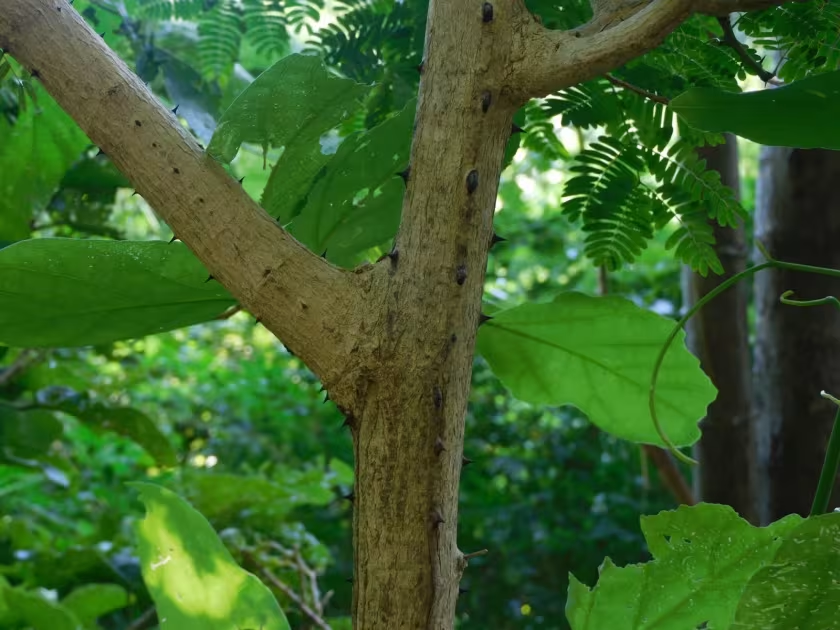
Description
Growing requirements
Senegalia polyphylla is a robust woody species belonging to the Fabaceae family. It is recognized for its rapid growth rate and its significant role in the biodiversity of tropical ecosystems, particularly within its native range in South America.
The plant thrives in regions characterized by high temperatures and consistent sunlight. It is classified as a heat-loving species that requires full exposure to solar radiation to maintain its vigorous development cycle.
In terms of soil requirements, this culture is relatively undemanding. It shows remarkable adaptability to various soil structures, provided that they are well-drained. Sandy and loam soils are considered optimal for establishing deep root systems.
Water management is crucial during the juvenile stage of the plant. While established trees are highly drought-tolerant, seedlings require consistent hydration to ensure successful survival and maturation in challenging field conditions.
Agricultural techniques often leverage the nitrogen-fixing ability of Senegalia polyphylla. This biological trait improves soil fertility, making it a valuable component in agroforestry systems and soil rehabilitation projects.
Main diseases and pests
The primary threat to the health of Senegalia polyphylla plantations is root rot, which typically occurs in waterlogged conditions. Maintaining proper soil drainage is the most effective strategy to mitigate this risk.
Pests such as boring insects can inflict damage on the stems of young plants. Monitoring for signs of exit holes and structural weakness is necessary to ensure the long-term viability of the crop stand.
Fungal leaf spots represent another common issue, especially during seasons with high humidity and limited airflow. Providing adequate spacing between trees helps reduce the transmission of pathogens.
Integrated Pest Management (IPM) practices are encouraged to control infestations. By fostering natural predators and using selective bio-pesticides, growers can maintain ecological balance while protecting the crop.
Regular sanitation, including the removal of dead or infected branches, is essential to curb the spread of diseases. This practice ensures that the tree redirects its energy into healthy foliage and robust stem production.