
Senegalia polyacantha
Senegalia polyacantha
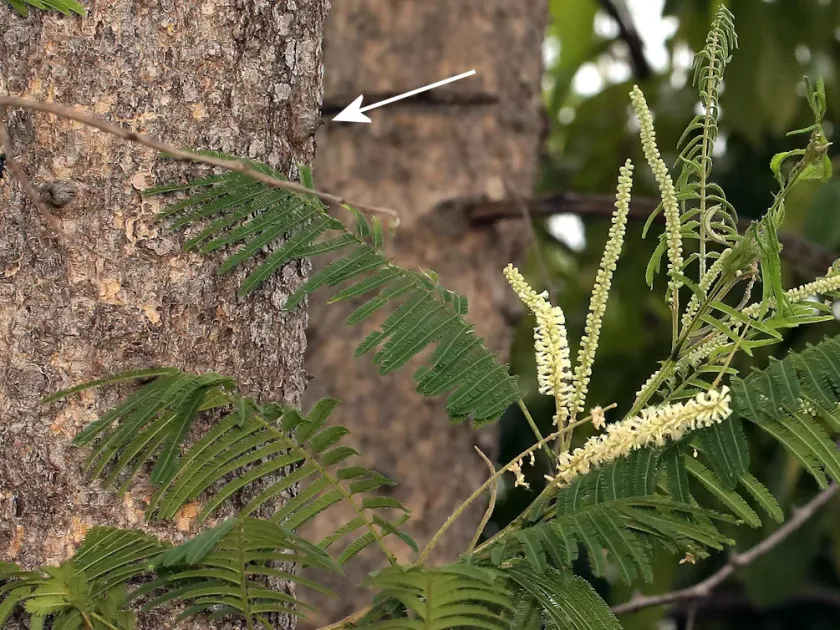
Description
Growing requirements
Senegalia polyacantha, formerly recognized as Acacia polyacantha, is a prominent tree species belonging to the Fabaceae family. Native to tropical Africa and parts of Asia, this species is highly valued for its rapid growth and hardiness in challenging environmental conditions.
The tree thrives in full sun and requires well-drained soil to achieve optimal health. It is remarkably resilient, capable of growing in a variety of substrates including alluvial soils, sandy loams, and stony ground. Its ability to fix atmospheric nitrogen allows it to enrich the surrounding soil, making it a key component in agroforestry systems.
Climate requirements for this culture are centered around tropical or subtropical zones where frost is absent. Senegalia polyacantha is well-adapted to areas with a long dry season, showing exceptional drought tolerance once the trees have matured and established deep root systems.
In terms of cultivation, it is often propagated by seeds which require scarification to break dormancy and ensure uniform germination. The spacing depends on the ultimate goal: closer planting for biomass production or wider spacing for timber or soil reclamation purposes.
Economic uses of the species are diverse, encompassing the extraction of gum arabic substitutes, the production of durable timber for furniture and construction, and the use of leaves as high-quality forage for livestock. It also plays a vital role in preventing desertification through erosion control.
Main diseases and pests
Seed-boring insects, specifically bruchid beetles, represent a major threat to the reproductive stage of the plant. If seeds are not treated properly post-harvest, insect damage can render a significant portion of the harvest non-viable for propagation.
Root rot pathogens, including various fungal species, pose a risk when the plant is grown in waterlogged or poorly drained soils. Management strategies involve ensuring site selection provides adequate drainage to prevent stagnant water around the root zone.
Defoliating insects such as caterpillars and various beetles can cause significant foliage loss, particularly in younger stands. Agronomic monitoring is essential to prevent infestations from impacting the tree's photosynthetic capacity and overall vigor.
Termites are a significant pest for this species, often attacking the trunk and heartwood of mature trees. In forestry applications, managing termite populations near plantations is crucial to protecting the economic value of the wood.
Mammalian browsing is the most critical threat to seedlings and saplings in the field. Effective protection measures, such as tree guards or fencing, are mandatory to prevent damage from livestock or wildlife during the early establishment phase.