
Knob thorn
Senegalia nigrescens
Description
Growing requirements
Senegalia nigrescens, commonly known as the knob thorn, is a prominent member of the Fabaceae family. Originating from the savanna regions of Southern Africa, this deciduous tree is well-adapted to hot, semi-arid environments where it provides essential ecological functions.
The tree thrives in well-drained soils, including sandy or loamy textures, and is particularly noted for its drought tolerance. Its ability to withstand harsh conditions with limited rainfall makes it a resilient species for various agricultural and forestry projects.
Senegalia nigrescens requires ample sunlight for optimal growth and development. While it can tolerate a range of soil types, it performs best in soils that do not suffer from prolonged waterlogging, which can compromise the root system of young specimens.
A key biological characteristic of this species is its nitrogen-fixing capability. Through a symbiotic relationship with soil bacteria, the tree enriches the soil, making it a valuable component in sustainable land management and agroforestry initiatives.
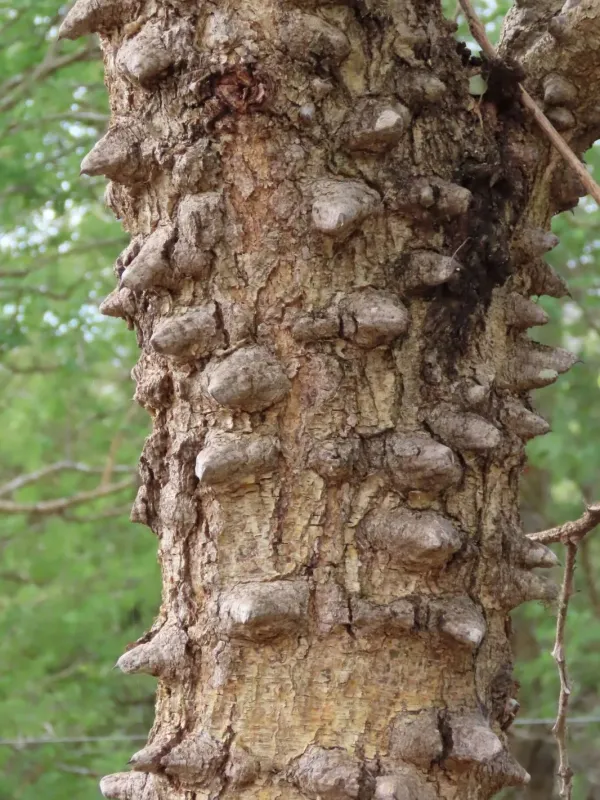
The tree grows to significant heights and is recognized by its dark, knobby bark, which gives it its common name. The foliage is bipinnate and provides a canopy that modifies local microclimates, offering shade and shelter for various fauna.
Yield
The primary economic value of the knob thorn lies in its exceptionally hard and durable wood. Often resistant to termite damage, this high-density timber is highly sought after for furniture construction, fence posts, and heavy-duty structural applications.
Beyond timber, the species is highly valued as a forage resource for livestock and wild game. During the dry season, when other vegetation is scarce, the leaves and protein-rich pods serve as an vital food source for grazing animals.
The tree plays a significant role in erosion control when used as part of a windbreak system. By stabilizing the soil and reducing wind speed, it helps protect neighboring crops from the effects of extreme weather and soil degradation.
Its traditional and medicinal uses among local populations also contribute to its cultural and socio-economic importance. The bark and roots have been historically utilized for various health-related applications.
- Durable, termite-resistant timber
- Valuable fodder for livestock
- Soil nitrogen enrichment
- Windbreak and erosion mitigation
Main diseases and pests
The knob thorn is susceptible to various wood-boring insects that can degrade the quality of the timber if left unmanaged. Regular field scouting and site management are essential to maintain the health of the population.
Root rot caused by fungi can develop if the trees are planted in areas with poor drainage or during seasons of excessive rainfall. Ensuring adequate soil aeration and choosing appropriate sites are critical preventive measures.
Large mammals, such as elephants, are known to browse on or damage mature trees, which can impact timber production in savanna zones. Protective measures for younger saplings are necessary to ensure successful establishment.
While the tree is highly adaptable, extreme climatic fluctuations can affect the rate of growth. Managing the stand density and protecting the ecosystem from fire are important aspects of long-term cultivation success.
Disease control involves promoting a healthy growing environment and conducting sanitary prunings when necessary. By adhering to best practices, landowners can ensure the long-term sustainability of the plantation.