
Senegalia modesta
Senegalia modesta
Description
Growing requirements
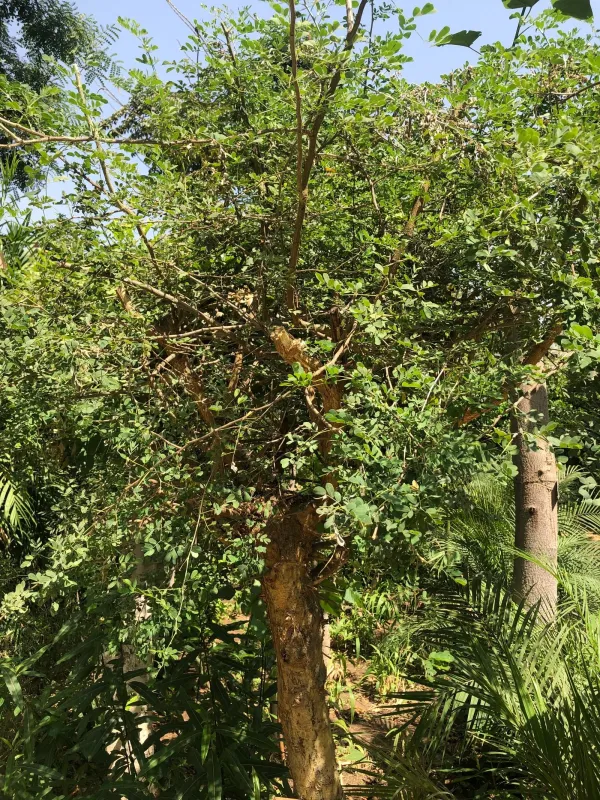
Senegalia modesta, formerly known as Acacia modesta, is a deciduous tree belonging to the Fabaceae family. It is recognized for its impressive resilience, growing in regions characterized by severe climatic stress and limited precipitation.
The native habitat of this species includes the arid and semi-arid zones of Pakistan, India, and Afghanistan. It has evolved to thrive in rocky soils and regions where most traditional agricultural crops fail, showcasing its adaptation to extreme heat.
Regarding soil requirements, the species is highly adaptable, preferring well-drained sandy or gravelly loam. As a nitrogen-fixing plant, it improves soil quality in nutrient-deficient areas, making it a key component for land restoration projects.
Climatic conditions for optimal growth must include high solar radiation and low relative humidity. Excessive soil moisture is detrimental, as it predisposes the root system to fungal pathogens, often leading to rapid decline.
Cultivation involves minimal technical input. Seeds are typically sown in a prepared nursery before being transplanted. Young trees require careful protection from herbivores during the establishment phase, as their foliage is highly nutritious.
Yield
The primary economic output of Senegalia modesta is its dense, high-quality timber. It is highly valued for its durability, resistance to termites, and strength, frequently utilized for agricultural tools, cart parts, and structural beams.
Beyond timber, the tree serves as a source of high-quality gum resin. This substance is harvested from the bark and is used in various industrial applications, including food stabilization and adhesive production.
The foliage provides essential browse for livestock, particularly in arid climates where forage is scarce. This secondary output supports local pastoral economies by providing high-protein feed during dry summer months.
Ecologically, the tree is a vital tool for preventing desertification. Its extensive root system stabilizes sandy landscapes, while its presence promotes the restoration of indigenous microflora in the soil.
The flowers attract various pollinator species, supporting local biodiversity. Additionally, the trees provide shade, reducing soil evaporation and creating a microclimate that benefits other, less hardy plant species.
Main diseases and pests
Pest pressures primarily include wood-boring beetles that attack the trunk and branches of older specimens. Integrated pest management strategies, such as maintaining healthy tree vigor, are the best defense.
Fungal diseases are a concern only when cultural practices are neglected, specifically if trees are planted in areas with poor drainage or excessive humidity, leading to root rot and bark lesions.
Parasitic plants, particularly mistletoe species, can infest the canopy. Regular monitoring and physical removal of these parasites are necessary to maintain tree health and ensure the longevity of the plantation.
Overgrazing by local fauna is a significant threat to seedlings and young saplings. Without proper fencing or protective guards, the survival rate of new plantings in agroforestry schemes is significantly reduced.
Mechanical injuries to the stem can lead to secondary infections. Ensuring that standard maintenance operations, such as pruning, are performed correctly will minimize the risk of pathogen entry into the heartwood.