
Senegalia mellifera
Senegalia mellifera
Description
Growing requirements
Senegalia mellifera, formerly classified as Acacia mellifera, is a member of the Fabaceae family, widely known as the blackthorn acacia. It is a dominant shrub species in the arid and semi-arid regions of Africa, known for its rapid colonization of degraded lands.
The plant thrives in hot climates with a clear distinction between wet and dry seasons. It is highly drought-tolerant, making it an excellent candidate for agricultural areas with limited water resources and sandy or rocky soil compositions.
Light requirements for this species are high; it demands full sun exposure to flourish and maintain its metabolic processes during the hottest hours of the day. Proper spacing is essential to prevent overcrowding and ensure adequate airflow.
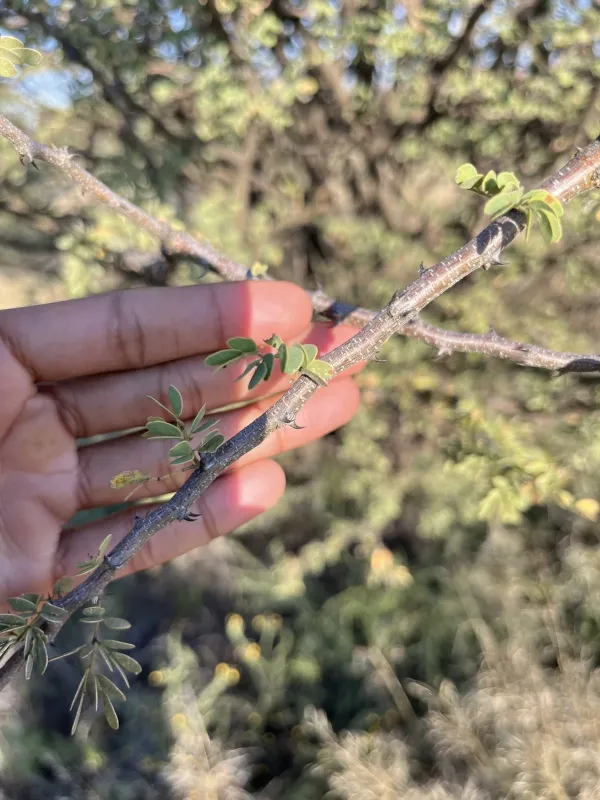
Botanically, it features hooked thorns that serve as a defense mechanism against herbivores. The foliage consists of small, pinnate leaves, and it produces highly fragrant, creamy-white flowers that are the primary source of nectar for local bee colonies.
In addition to honey production, Senegalia mellifera provides high-protein browse for livestock, such as goats and camels, during the dry season, making it an important agricultural asset in traditional pastoral systems.
Main diseases and pests
The species faces pressure from various insect pests, including stem borers and foliage-feeding beetles, which can reduce the vigor of the trees and impact flowering intensity.
Fungal infections, particularly root rot, pose a threat when the plant is grown in areas with poor drainage or excessive soil moisture, which contradicts its natural survival adaptation.
Parasitic plants like mistletoe frequently colonize Senegalia mellifera, acting as nutrient sinks that significantly deplete the host tree and reduce its lifespan and productivity.
Human impact, including overgrazing of young sprouts, remains a critical threat to the establishment of new plantations, requiring strict management of animal access to the growing site.
Integrated pest management strategies focusing on thinning and proper water management are recommended to maintain the health and honey-yield potential of the crop stands.