
Senegalia macrostachya
Senegalia macrostachya
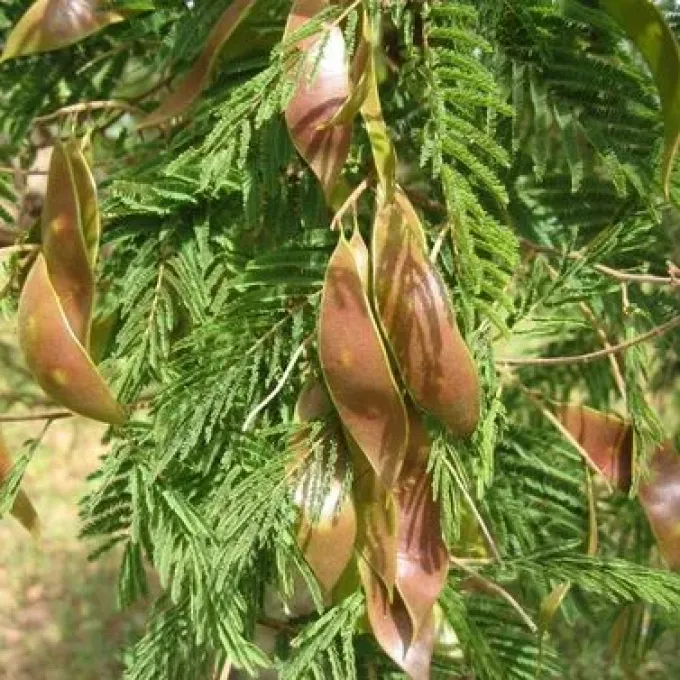
Description
Sowing dates
Successful establishment requires sowing seeds at the onset of the rainy season to capitalize on the natural soil moisture. Seeds must undergo scarification to break dormancy, ensuring a uniform germination rate across the field or nursery plot.
Growing requirements
Senegalia macrostachya is a perennial shrub or small tree belonging to the Fabaceae family. Native to the arid regions of tropical Africa, this plant is remarkably well-adapted to environments with prolonged dry seasons and nutrient-poor, rocky soil conditions.
The botanical structure of the species is defined by a dense canopy and a deep, extensive root system. This morphology allows the plant to access moisture far below the surface, making it a critical species for soil stabilization and environmental restoration in desert-prone areas.
In terms of climate requirements, this culture thrives in temperatures exceeding 30°C and is tolerant to severe droughts. While it prefers well-drained soils, its ability to fix atmospheric nitrogen improves the fertility of the surrounding soil, benefiting intercropped plants.
The agricultural usage of Senegalia macrostachya is versatile, ranging from the production of high-quality charcoal and firewood to serving as a reliable fodder source for livestock. Its foliage provides essential protein during seasonal droughts when other grasses have withered.
Integrating this species into agricultural landscapes fosters sustainable land management. Its role in reforestation efforts is gaining traction due to the tree's resilience and minimal requirement for synthetic fertilizers or intensive irrigation systems.
Yield
Biomass production is generally consistent, with yields peaking as the plant matures. When managed for fodder, the tree can produce significant amounts of leafy material, which can be harvested several times a year through controlled pruning methods.
Main diseases and pests
The primary threats include seed-boring beetles that can devastate harvestable yield if left untreated. Additionally, fungal pathogens can affect the roots during periods of uncharacteristic waterlogging, necessitating proper drainage in the planting area.
Harvesting
Harvesting usually involves collecting the mature pods when they are dry and dark brown. Regular thinning and pruning are employed to manage tree size and promote the growth of fresh foliage, which is then dried or utilized immediately as a green feed.