
Senegalia kraussiana
Senegalia kraussiana
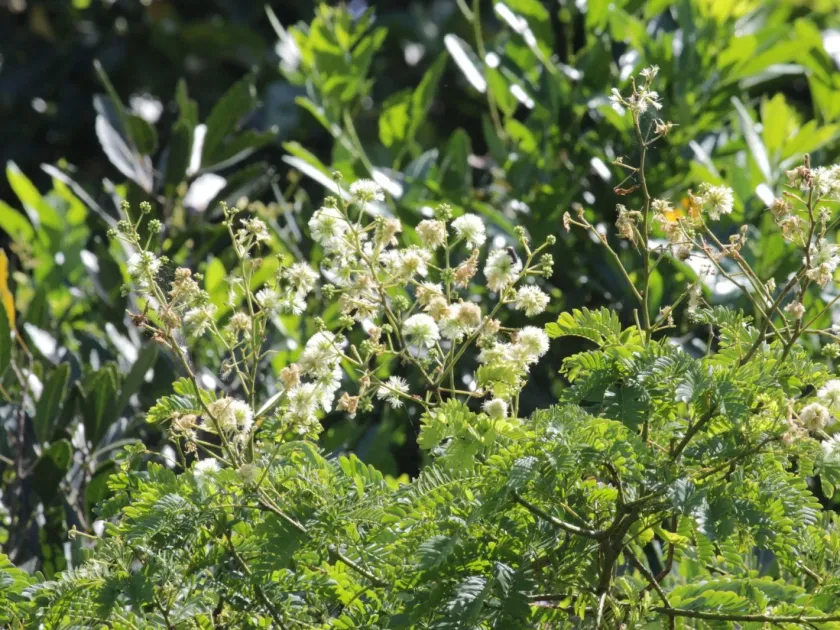
Description
Growing requirements
Senegalia kraussiana belongs to the Fabaceae family, commonly known as the legume family. Formerly classified under the genus Acacia, this woody perennial shares many distinct physiological traits with other leguminous tree species.
The species is native to the southern regions of Africa. It thrives in subtropical environments where the ecological balance is dictated by cyclical dry and wet seasons, requiring high solar exposure for optimal growth.
In terms of soil requirements, it prefers well-drained, sandy, or loamy compositions. It exhibits significant tolerance to low-fertility soils, which makes it a resilient candidate for land restoration projects.
Botanically, it is characterized by its bipinnate foliage and the presence of thorns, which serve as an evolutionary defense mechanism. As a legume, it is capable of forming symbiotic relationships with nitrogen-fixing bacteria.
The primary economic use is centered on agroforestry and erosion control. Its structural properties make it useful for stabilizing slopes and acting as a windbreak in arid agricultural zones.
Main diseases and pests
The crop is vulnerable to various seed-feeding insects, specifically members of the Bruchidae family, which can impact the viability of seed stocks.
Fungal pathogens affecting the root system pose a significant threat in areas with poor drainage, often leading to the rapid decay of the plant's vascular system.
Defoliating insects can cause substantial leaf area loss during the active growing season, necessitating integrated pest management strategies to ensure survival.
Older specimens may suffer from infestations by parasitic plants or wood-boring beetles that compromise the integrity of the trunk and branches.
Cultural practices such as maintaining proper spacing and ensuring adequate soil aeration are essential to minimizing the impact of these common environmental threats.