
Senegalia gaumeri
Senegalia gaumeri
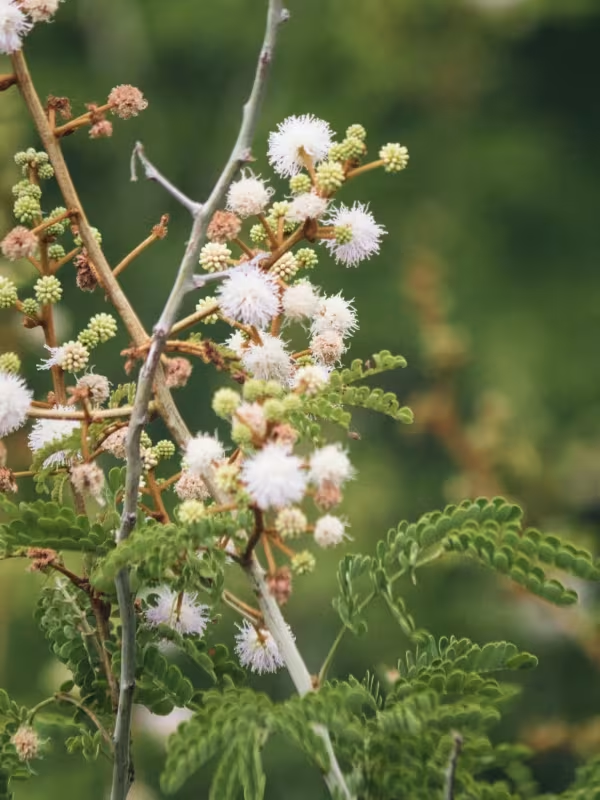
Description
Sowing dates
Senegalia gaumeri is a member of the Fabaceae family, native to the tropical dry forests of the Yucatan Peninsula in Mexico.
Propagation is primarily achieved through seeds, which require scarification to soften the seed coat and ensure uniform germination.
The ideal sowing time is at the onset of the rainy season to leverage natural moisture for the initial development of the root system.
In nursery settings, it is recommended to use well-draining soil mixtures to support healthy seedling growth and prevent early-stage damping-off.
Transplanting seedlings to their final location should be done once they reach a height of at least 30 centimeters to ensure better survival rates.
Growing requirements
This species is highly adapted to limestone-derived soils, which are typical of its natural habitat, emphasizing the need for good drainage.
Senegalia gaumeri demonstrates exceptional drought tolerance, allowing it to survive during the prolonged dry season characteristic of its native range.
Sunlight is a crucial requirement, as this plant thrives in full sun conditions and does not compete well in deeply shaded environments.
Temperature tolerance is high, but the plant is strictly tropical and cannot withstand frost or freezing conditions, which limits its growing range.
As a legume, it contributes to soil fertility by nitrogen fixation, making it an excellent candidate for reforestation and agroforestry initiatives.
Main diseases and pests
The primary threats to the species involve fungal pathogens that attack the root system, especially if the soil remains waterlogged for extended periods.
Leaf-eating insects are common, particularly during the active growing season, which can cause significant defoliation in young saplings.
Changes in local land use and habitat fragmentation pose the greatest threat to the natural regeneration of Senegalia gaumeri populations.
Preventative measures include maintaining adequate spacing between individual plants to improve air circulation and reduce the risk of pathogen spread.
Monitoring for signs of stress, such as yellowing leaves or stunted growth, allows for timely intervention using integrated pest management strategies.