
Senegalia ferruginea
Senegalia ferruginea
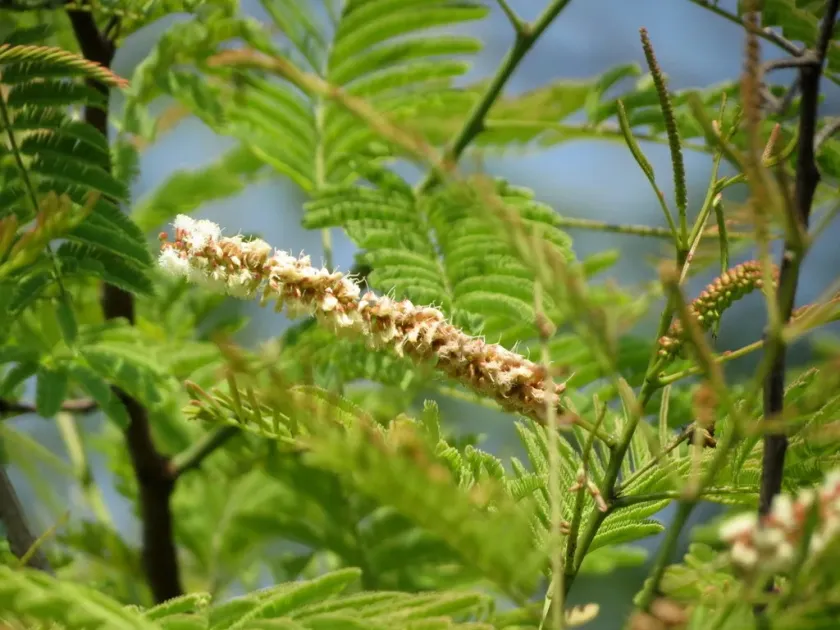
Description
Sowing dates
Propagation of Senegalia ferruginea is typically achieved through seeds, which require specific pre-treatment to ensure uniform and successful germination.
The seeds possess a hard, impermeable coat that necessitates scarification or soaking in warm water for several hours prior to sowing in nursery beds.
Nursery operations usually commence at the beginning of the rainy season, allowing the seedlings sufficient time to develop a robust root system before the dry spell.
Containers or seed trays with well-draining soil are essential to prevent the accumulation of moisture, which can cause early-stage seedling damping-off.
Transplanting to the field should occur once the saplings reach a sturdy height, ensuring they can withstand environmental pressures in their permanent location.
Growing requirements
As a member of the Fabaceae family, Senegalia ferruginea is highly adapted to tropical and subtropical climates, thriving in areas with distinct dry seasons.
The tree exhibits remarkable drought resistance, making it suitable for reforestation projects and land stabilization in arid or semi-arid regions.
It prefers deep, well-drained alluvial or sandy-loam soils and performs poorly in heavy, clay-rich substrates prone to prolonged waterlogging.
Optimal growth requires high levels of solar radiation, as the tree is an obligate heliophyte that struggles to survive in shaded or densely crowded environments.
The species is tolerant of a wide range of temperatures, provided that the soil conditions remain aerated and the site is not subject to frost or severe cold.
Yield
The primary economic output of Senegalia ferruginea is its high-quality timber, which is renowned for its strength, durability, and natural resistance to termite attack.
The wood is frequently utilized for high-grade furniture, agricultural tool handles, and various structural components requiring heavy-duty material properties.
Being a legume, the tree contributes to soil health through nitrogen fixation, benefiting neighboring plants and overall ecosystem productivity in agroforestry systems.
The bark and resins are harvested for traditional medicinal applications and various industrial uses, providing a secondary income stream for local farmers.
Foliage serves as a nutritious fodder for livestock during periods when other forage sources are unavailable, highlighting the tree's role in local pastoral economies.
Main diseases and pests
Young seedlings are susceptible to root fungal pathogens, particularly if irrigation management in the nursery results in overly moist soil conditions.
Adult trees may be targeted by wood-boring insects, such as longhorn beetle larvae, which can bore through the trunks and compromise the integrity of the timber.
Leaf-feeding insects occasionally cause cosmetic damage, although they rarely pose a fatal threat to healthy, mature trees grown under suitable conditions.
Good silvicultural practices, including the removal of deadwood and maintenance of site hygiene, are effective in minimizing the impact of major pests.
Systemic pesticides should be used judiciously, with a preference for integrated pest management (IPM) strategies to protect the beneficial biodiversity of the area.
Harvesting
Harvesting timber requires careful timing to ensure the trees have reached optimal girth and technical maturity, which often spans several decades of growth.
Felling should be conducted using standard forest management guidelines, ensuring that logs are cut and transported in a way that preserves wood quality.
Drying and seasoning are critical stages; the dense wood must be dried slowly to prevent splitting and to stabilize the material for future use in manufacturing.
Gum collection is performed sustainably by making light incisions in the bark, allowing the resin to harden before it is carefully collected by manual means.
Sustainable harvest models rely on replanting cycles, ensuring that for every tree harvested, new saplings are established to secure the future of the plantation.