
Selenicereus guatemalensis
Selenicereus guatemalensis (Eichlam ex Weing.) D. R. Hunt
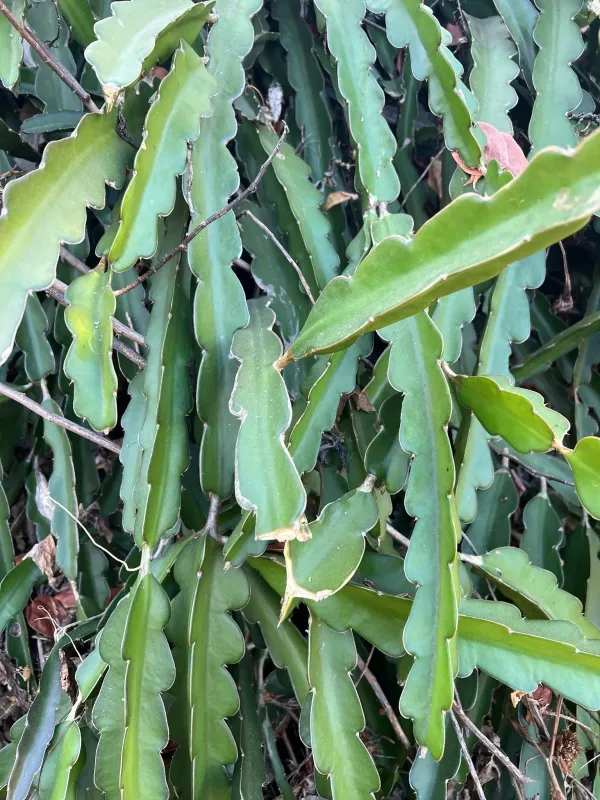
Description
Growing requirements
Selenicereus guatemalensis is a perennial epiphytic plant belonging to the Cactaceae family, primarily recognized for its commercial value as a dragon fruit variety.
Native to Central America, the species thrives in tropical climates characterized by warm temperatures and distinct wet and dry seasons, ensuring consistent growth.
The culture requires full sun exposure for optimal photosynthesis, which is essential for the development of healthy stems and the production of high-quality fruits.
Soil requirements involve a loose, well-draining substrate, often enriched with organic matter, to prevent root rot, which is the most common cause of crop failure.
Agricultural management requires installing robust trellis systems or posts, as the plant grows as a climbing vine and needs support to manage its weight and length.
Yield
The primary agricultural use of Selenicereus guatemalensis is fruit production, with fruits gaining popularity for their nutritional density and antioxidant properties.
Yield efficiency is significantly improved through systematic irrigation and fertilization protocols that supply nitrogen, phosphorus, and potassium at critical growth stages.
Commercial plantations are designed to facilitate efficient harvesting, ensuring that fruits reach the market in prime condition for consumption or processing.
The fruit's yield is often measured by the number of harvesting cycles per year, which can be extended in greenhouse environments with climate control technology.
Proper pruning techniques are essential to maintain canopy density, ensuring that sunlight reaches the inner stems to promote flowering and subsequent fruit set.
Main diseases and pests
The main pathological threats to this crop include bacterial and fungal stem rot, which can cause severe damage if cultivation conditions are too humid or poorly ventilated.
Pests such as mealybugs and aphids frequently target the succulent stems, causing structural damage and acting as vectors for various plant viruses.
Mites can also affect plant vigor during dry spells, necessitating regular field monitoring and the use of integrated pest management strategies to keep populations low.
Preventative measures include maintaining adequate spacing between individual plants to promote airflow and keeping the growing area free of stagnant water.
Implementing strict hygiene practices, such as sterilizing pruning tools and removing infected plant tissue, is crucial for preserving the health of the entire plantation.