
Pitaya
Selenicereus monacanthus (Lem.) D. R. Hunt
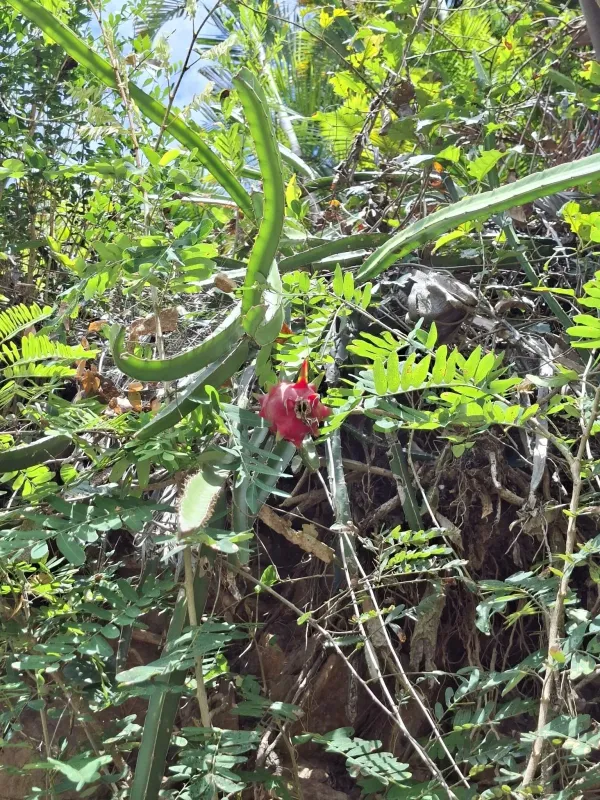
Description
Sowing dates
Pitaya, commonly known as dragon fruit, belongs to the Cactaceae family. In commercial agriculture, propagation is primarily achieved through stem cuttings, typically 20–40 cm in length, planted at the beginning of the rainy season to ensure optimal rooting conditions.
Before planting, cuttings must be dried for several days in a shaded area. This curing process allows the cut surface to callous, significantly reducing the risk of rot when placed in the growing medium.
While seed propagation is possible, it is rarely used commercially because it does not guarantee the retention of the parent plant's desirable characteristics. Seeds are typically reserved for breeding programs and genetic diversity efforts.
Planting density depends on the support system used. Standard commercial orchards utilize a trellis system, with spacing designed to optimize sunlight exposure and facilitate routine maintenance such as pruning and fruit harvesting.
Adequate soil preparation is crucial; the planting medium should be porous, well-drained, and rich in organic matter to support the rapid development of the root system during the initial establishment phase.
Growing requirements
Pitaya is a light-demanding epiphyte that requires full sun exposure to thrive and produce consistent floral buds. Insufficient light results in etiolated stems and significantly reduces overall fruit production.
The crop prefers a tropical or subtropical climate with temperatures consistently between 20 and 30 degrees Celsius. While it can withstand brief thermal fluctuations, prolonged temperatures below 5 degrees Celsius can cause severe tissue damage.
A well-drained, loamy soil with a pH range between 5.5 and 7.0 is ideal. The plant is sensitive to waterlogging, which can quickly lead to root rot; therefore, effective drainage management is a cornerstone of successful cultivation.
Support structures are non-negotiable for commercial production. As a climbing cactus, the plant requires durable trellises to support the weight of its heavy stems and ripening fruit, ensuring they remain off the ground.
While the plant exhibits some drought tolerance, regular irrigation is essential during the flowering and fruiting stages. Consistent moisture levels directly influence fruit size and overall taste quality.
Yield
With high-intensity cultivation techniques, well-managed pitaya orchards can achieve yields ranging from 10 to 20 tons per hectare. Full production capacity is generally reached by the third to fifth year of growth.
Pitaya is a recurrent bloomer, often providing multiple harvest waves per season. The number of harvests depends heavily on local climatic conditions and the availability of pollinators to ensure effective fertilization.
Hand-pollination is often practiced in commercial greenhouses to guarantee high fruit set rates. This ensures that a greater percentage of flowers develop into high-quality, market-ready fruit, regardless of insect activity.
Balanced fertilization, particularly with higher concentrations of potassium and phosphorus, is critical for promoting fruit development and enhancing sugar content in the pulp.
Strategic pruning is employed not only to maintain plant health but also to focus the plant's energy on developing fewer, but larger and more marketable fruits, which maximizes the economic return of the crop.
Main diseases and pests
The most common biological threats to pitaya are fungal infections like anthracnose and stem rot, which proliferate in high-humidity environments with poor ventilation. Maintaining adequate spacing between plants is a vital preventive measure.
Pests such as mealybugs, aphids, and mites can cause significant damage by feeding on young tissue. Integrated pest management (IPM) strategies, which prioritize biological control and early detection, are highly recommended.
Nematodes can also pose a risk, particularly in heavy or sandy soils. Regular monitoring of the root zone and maintaining soil health through organic amendments can help mitigate these soil-borne issues.
Environmental stress, such as intense midday sun, can cause sunburn on the stems, creating entry points for opportunistic pathogens. Shade cloth is often used in younger plantations to protect against such damage.
- Regular field inspections for early signs of disease.
- Maintaining optimal ventilation within the orchard.
- Strict sanitation, including the removal of infected plant debris.
- Use of disease-free planting material sourced from certified nurseries.
Harvesting
Harvesting pitaya requires careful technique to prevent damaging the delicate skin of the fruit. The harvest window is identified by the fruit's color shift, usually reaching a vibrant pink or red when ripe.
Fruits should be harvested using sharp, clean tools to ensure a clean cut, leaving a small portion of the stem attached. This careful handling minimizes the risk of post-harvest infection and decay.
Logistics are crucial, as pitaya is a perishable commodity. Immediate cooling after harvest helps to maintain the shelf life and quality of the fruit before it is transported to local or export markets.
Harvesting is typically done through multiple passes, as fruits on the same plant do not ripen simultaneously. This selective harvesting allows for the delivery of fruit at the peak of ripeness.
As a highly sought-after superfood, pitaya provides significant value in the fresh produce market. Its visual appeal and nutritional profile make it a popular choice for health-conscious consumers worldwide.