
Costa Rican pitahaya
Selenicereus costaricensis (F. A. C. Weber) S. Arias & N. Korotkova
Description
Growing requirements
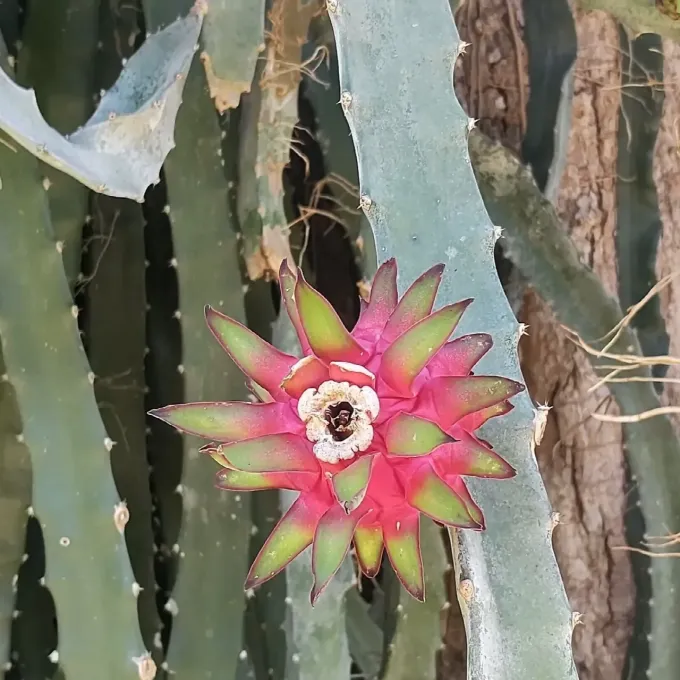
Selenicereus costaricensis is a member of the Cactaceae family. Known primarily for its fruit, the red pitahaya, this species is an epiphytic cactus that requires specific tropical conditions for successful commercial production.
The plant thrives in warm, humid climates with temperatures ranging from 20°C to 30°C. It is highly sensitive to frost; any exposure to freezing temperatures can cause irreparable damage to the succulent stems.
Proper soil management is critical. The cactus requires well-draining, slightly acidic soil. Heavy, waterlogged soils are prohibited, as they quickly lead to root rot and other fungal infections that compromise the plant's health.
For optimal growth, Selenicereus costaricensis needs bright, indirect sunlight. In large-scale farming, shade cloths are often employed to protect the plant from harsh direct sunlight during peak hours, preventing stem scorching.
As a climbing cactus, the plant requires structural support. Standard agricultural practices involve the use of T-shaped posts or trellises to train the stems, which promotes better air circulation and simplifies the harvesting process.
Yield
The yield of Costa Rican pitahaya depends heavily on proper maintenance and the age of the crop. Mature plants reach their peak productive capacity after approximately three years of growth in the field.
In high-density commercial plantations, growers can expect significant yields, often ranging between 15 and 30 tons per hectare. Success depends on the implementation of precision irrigation and balanced fertilization programs.
Pruning is the most essential task for yield maximization. By removing excess vegetation, growers ensure that the plant redirects its energy toward fruit development, resulting in larger, higher-quality fruits.
Pollination plays a major role in fruit set. In many regions, natural pollinators are insufficient, requiring manual pollination techniques to ensure a uniform and productive harvest for the season.
Regular soil nutrient analysis is recommended to adjust potassium and magnesium levels, which are vital for fruit sugar accumulation and overall fruit size, directly impacting the final market value of the crop.
Main diseases and pests
Fungal pathogens such as Colletotrichum (anthracnose) are the most significant threats to the crop. These diseases can attack both the stems and the developing fruit, causing lesions that reduce quality.
Insect pests, including mealybugs, aphids, and mites, are common in pitahaya farms. These pests not only damage the plant tissues but can also act as vectors for various viral diseases that affect the vitality of the crop.
Preventative measures are essential, including the removal of dead or infected plant debris. Maintaining a clean orchard environment helps in reducing the inoculum density of fungal and bacterial pathogens.
Integrated Pest Management (IPM) is strongly advised, favoring biological control agents where possible. Selective pesticide use should be strictly managed to protect beneficial insects while controlling harmful populations.
Environmental stress, particularly excess humidity, should be mitigated through proper spacing and pruning to allow sufficient airflow, which significantly reduces the risk of outbreaks of crown and stem rot.
Harvesting
Harvesting Selenicereus costaricensis is a delicate task performed by hand. Fruits must be harvested at the peak of maturity, indicated by the full, vibrant magenta color of the skin across the entire fruit.
Precision is key during harvest. Using sharp, sanitized clippers to cut the fruit stem helps minimize damage to the plant and prevents the introduction of pathogens that could lead to fruit decay during storage.
Post-harvest handling is critical for maintaining shelf life. Fruits should be cleaned gently, sorted by weight and size, and packed into ventilated crates with soft padding to protect them during transport.
Storage requires cool, temperature-controlled conditions (typically 8°C to 12°C). Proper refrigeration slows the respiration rate of the fruit, extending its freshness for market distribution.
The supply chain must be well-coordinated, as mature pitahayas have a limited window of freshness. Efficient logistics are necessary to ensure the fruit reaches the consumer in optimal aesthetic and nutritional condition.