
Pitahaya hybrids
hybrids between Selenicereus guatemalensis and Selenicereus undatus
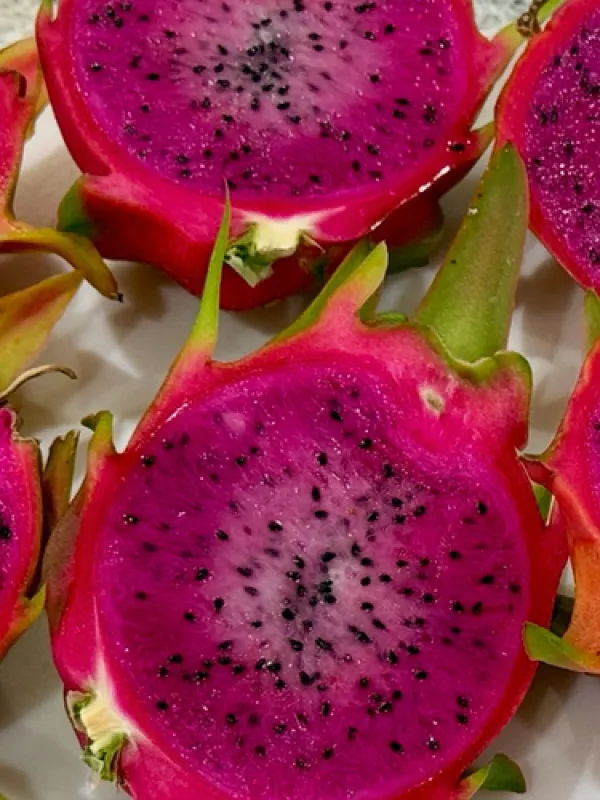
Description
Sowing dates
The propagation of Selenicereus hybrids is predominantly conducted via vegetative cuttings, which ensures the preservation of the desired varietal traits and faster maturation.
Cuttings should be taken from healthy, mature stems and allowed to dry in a shaded, ventilated area for several days to form a callus at the cut site.
Rooting is performed in a porous, well-draining substrate, such as a mix of perlite, sand, and high-quality organic peat, ensuring the base remains slightly moist but never waterlogged.
Propagation through seeds is generally reserved for breeding and genetic improvement programs, as the offspring may not maintain the exact characteristics of the parent plants.
Young plants are typically transplanted into pots or directly into prepared soil once a robust root system has developed, usually several months after the initial cutting process.
Growing requirements
Belonging to the Cactaceae family, these hybrids are climbing or scrambling tropical plants that require sturdy trellises or supports to facilitate vertical growth.
The ideal soil is rich in organic matter, slightly acidic, and possesses excellent drainage properties to prevent root suffocation, which is a common cause of failure in cactus farming.
These plants thrive in tropical climates with temperatures consistently between 20 and 30 degrees Celsius, requiring protection from any frost or near-freezing conditions.
Abundant sunlight is necessary for optimal development and flowering, although partial shade during the peak of the midday heat is often beneficial in intense sun climates.
Regular irrigation is vital during the growing season; however, it is essential to allow the soil to dry out significantly between watering intervals to maintain health.
Yield
Pitahaya hybrids are highly productive, with well-managed plantations beginning to fruit within 2 to 3 years after establishment, depending on the climate and variety.
Artificial cross-pollination is a standard agricultural practice in many regions to ensure high fruit set rates, as native pollinators may not always be sufficient for commercial production.
Fruits generally mature in cycles, providing multiple harvest windows during the peak season, which significantly enhances the commercial viability of the crop.
Nutritional management, specifically the application of potassium-rich fertilizers, is critical during the fruit development stage to maximize size, texture, and sugar content.
Proper pruning of the plants is essential not only to maintain structural integrity but also to encourage new growth that will bear fruits in subsequent seasons.
Main diseases and pests
The primary threats to these hybrids include fungal diseases such as stem rot and anthracnose, which are exacerbated by high humidity and poor air circulation.
Common pests include mealybugs, aphids, and spider mites, which congregate on young shoots and buds, causing stunted growth and potential transmission of viral diseases.
Integrated Pest Management (IPM) strategies, including the use of neem oil and systemic insecticides, are effective in controlling populations without harming the plant's delicate tissues.
Proactive disease control involves regular sanitation of tools and the removal of infected plant material to minimize the spread of pathogens throughout the cultivation site.
Monitoring for signs of root stress or yellowing stems allows growers to intervene early with adjustments to water regimes or soil amendments.
Harvesting
Harvesting is a manual process that requires careful handling due to the delicate skin of the fruit, which is prone to bruising and mechanical damage during transit.
The optimal harvest time is determined by color change and a slight yielding to touch, ensuring the fruit has reached its peak sugar and flavor maturity.
Harvested fruits should be kept in a cool, dark environment to extend shelf life and prevent premature breakdown of the fruit tissue after picking.
Packing materials should include soft buffers to prevent fruit-on-fruit friction, especially when the produce is destined for long-distance transport to consumer markets.
The shelf life is relatively short compared to harder fruits, so maintaining an efficient cold chain from farm to retailer is essential for maximizing commercial returns.