
Queen of the night
Selenicereus grandiflorus (L.) Britton & Rose
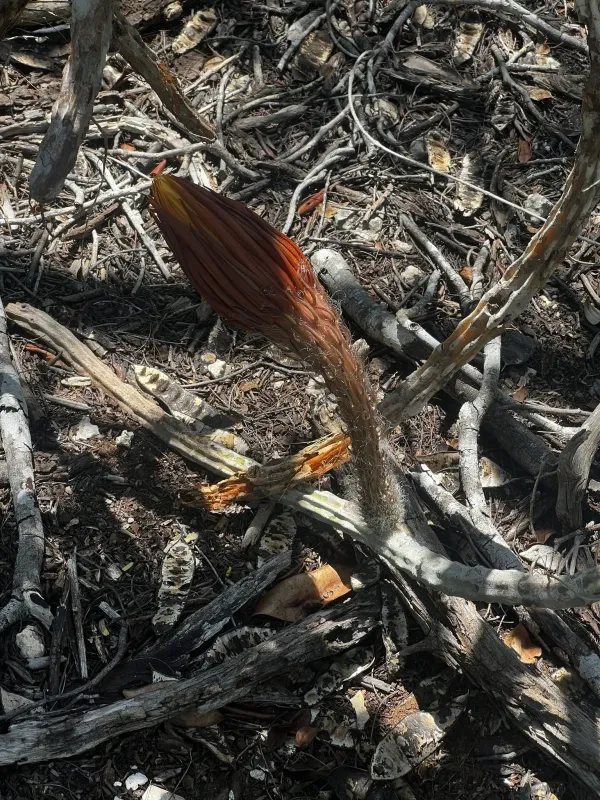
Description
Growing requirements
Selenicereus grandiflorus is an epiphytic cactus belonging to the Cactaceae family, widely recognized for its large, fragrant, white nocturnal flowers. It is native to the tropical regions of Mexico, Central America, and the Caribbean islands.
The plant features long, slender, vining stems that are covered in fine, sharp spines. In its natural habitat, it climbs trees and rock faces, using its aerial roots to anchor itself securely in the humid environment.
Climate requirements for this species include high humidity and stable, warm temperatures. It thrives in conditions that mimic tropical forests, requiring filtered sunlight rather than the harsh, direct sun typical for desert cacti.
The soil should be a well-draining, organic-rich mix. Growers often use a substrate consisting of peat, pumice, and bark to ensure that the roots receive sufficient aeration while retaining necessary moisture.
In a commercial setting, the plant is primarily cultivated for its bioactive alkaloids. These compounds are extracted from the stems and flowers for their potential use in homeopathic and cardiovascular medicine.
Main diseases and pests
Spider mites are a common pest in indoor and greenhouse environments. They thrive in dry air, so maintaining consistent moisture levels and misting the plants can help prevent infestation.
Mealybugs represent a significant threat to the plant's structural integrity. These sap-sucking insects can be managed through the application of horticultural oils or systemic insecticides.
Root rot is the most lethal disease caused by poor drainage or overwatering. Once the fungal infection takes hold of the roots, it often spreads to the succulent stems, causing them to collapse.
Fungal leaf spots can occur during periods of poor ventilation and high humidity. Improving airflow around the plant is essential to reduce the risk of mold and pathogen proliferation.
Preventative care is the most effective management strategy. Regularly cleaning the greenhouse and inspecting the plants for early signs of disease ensures a healthy and productive crop.