
Selaginella willdenowii
Selaginella willdenowii
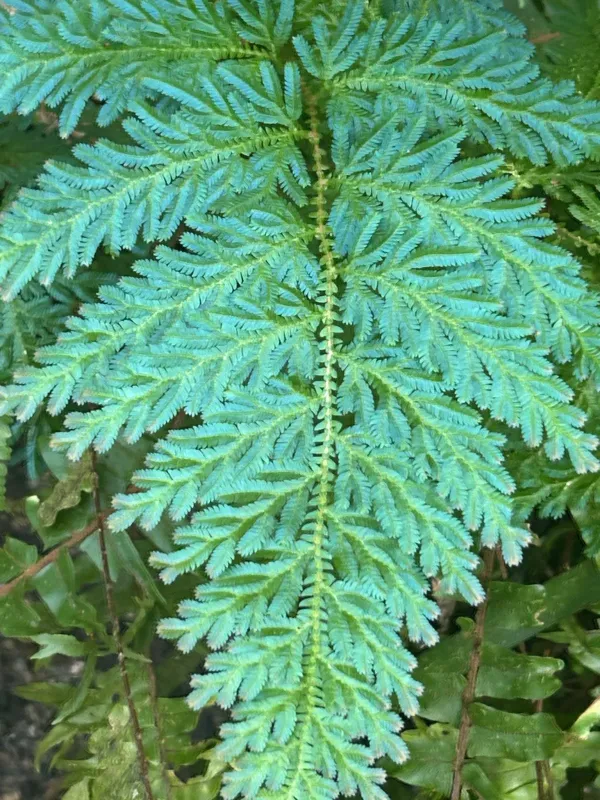
Description
Growing requirements
Selaginella willdenowii, commonly known as the peacock spikemoss, is a fascinating member of the Selaginellaceae family. Native to the lush tropical rainforests of Southeast Asia, it is prized for its iridescent, metallic-blue foliage that changes color depending on light intensity.
This species is a shade-loving, perennial plant that requires specific microclimatic conditions to thrive. In a controlled agricultural or greenhouse environment, it demands a consistently warm temperature, ideally between 20°C and 25°C, with no exposure to cold drafts.
Humidity is the most critical factor for the successful cultivation of this species. Levels should be kept above 75%, which is why this plant is an excellent candidate for terrariums, vivariums, or specialized greenhouse structures with automated misting systems.
The substrate must be highly porous and moisture-retentive. A mix of peat moss, perlite, and decomposed forest litter works best to mimic the natural floor of tropical forests. Soil pH should remain slightly acidic to neutral to ensure proper nutrient absorption.
Water quality is also vital; Selaginella willdenowii is sensitive to chlorine and high mineral content in tap water. Using filtered, rainwater, or distilled water is recommended to prevent leaf tip burn and root system damage over time.
Main diseases and pests
Spider mites are the most frequent pests affecting Selaginella willdenowii, especially in environments where humidity levels are allowed to drop, causing the foliage to dry out and turn brittle.
Fungal infections such as Botrytis or root rot are common consequences of overwatering combined with poor air circulation. These pathogens thrive in stagnant, wet conditions and can rapidly destroy the plant's delicate vascular system.
Mealybugs can occasionally infest the foliage, hiding in the junctions of the branched stems. Early detection through regular inspections is essential to prevent these pests from spreading throughout the greenhouse crop.
Management of these threats involves consistent monitoring and the application of integrated pest management strategies. If chemical treatment is necessary, only low-concentration soaps or horticultural oils should be applied to avoid damaging the leaves.
Maintaining a clean growing area by removing dead foliage and providing gentle, constant airflow helps reduce the incidence of bacterial and fungal outbreaks in commercial or hobbyist cultivation.