
Spikemoss
Selaginella denticulata
Description
Growing requirements
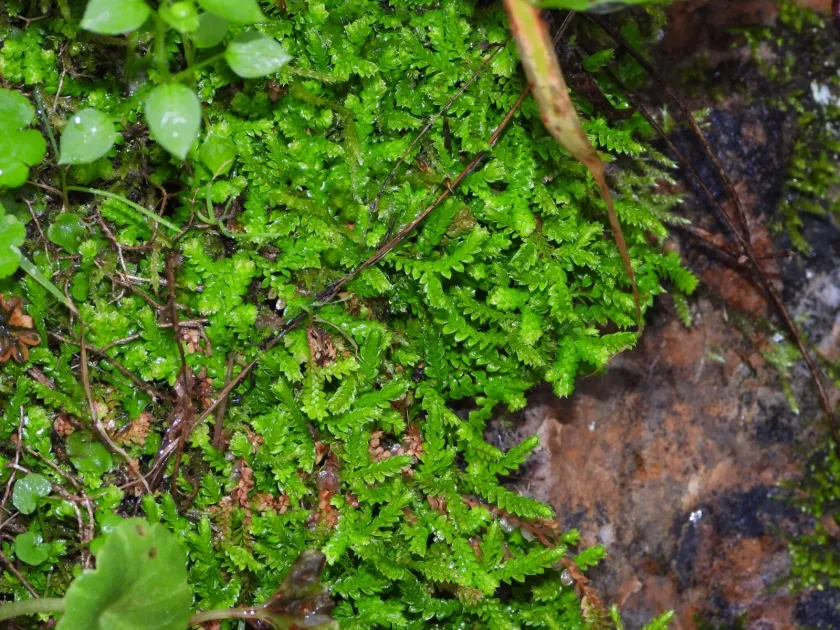
Selaginella denticulata, commonly known as spikemoss, belongs to the family Selaginellaceae. It is a perennial herbaceous plant known for its creeping habit and delicate, lace-like foliage.
Originating from the Mediterranean region and Western Europe, it thrives in shaded, moist environments. In agricultural settings, it mimics its natural habitat by requiring high humidity and low to moderate light intensity.
The optimal soil for this crop must be well-drained, porous, and consistently moist. An organic-rich peat-based substrate with a slightly acidic pH is ideal to ensure proper nutrient absorption.
Temperature management is critical for this species. It prefers cool to moderate temperatures between 15°C and 20°C, and it is highly sensitive to extreme heat or direct sunlight, which can quickly desiccate the foliage.
Water quality is also a key factor. Using distilled or rainwater is recommended, as the plant is sensitive to the minerals and salts found in tap water, which can accumulate in the soil over time.
Main diseases and pests
The primary threats to Selaginella denticulata include fungal pathogens such as Pythium and Rhizoctonia, which thrive in waterlogged, poorly ventilated soil conditions.
Pest infestations, particularly spider mites and mealybugs, are common when environmental humidity is not properly maintained. These pests weaken the plant, making it prone to secondary infections.
Rotting of the stems and roots is the most prevalent disease, often triggered by overwatering. Ensuring proper drainage is the most effective preventative measure against such issues.
Environmental stress, including erratic temperature fluctuations, can cause foliage yellowing, which serves as an early indicator that the plant's health is compromised.
Integrated pest management, including maintaining strict sanitation of the growing area and using biological controls, is essential for maintaining a healthy and productive crop.