
Selaginella balansae
Selaginella balansae
Description
Growing requirements
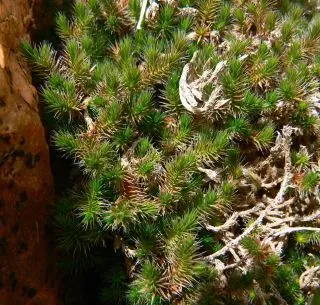
Selaginella balansae belongs to the Selaginellaceae family, a group of primitive vascular plants often utilized in botanical collections and ornamental horticulture. This species is valued for its delicate, fern-like foliage and unique architectural form that thrives in humid, shaded environments.
Native to the tropical regions of Southeast Asia, this plant naturally occurs in forest understories. Its range is confined to areas with high precipitation and consistent temperatures, reflecting its adaptation to a sheltered, micro-climatic forest floor niche.
Cultural requirements for S. balansae involve maintaining temperatures between 18°C and 25°C. Exposure to direct sunlight is strictly detrimental, as it causes rapid desiccation of the thin leaf tissue; therefore, filtered light or partial shade is essential for healthy development.
Soil conditions must focus on high moisture retention and excellent drainage. A substrate composed of peat, horticultural sand, and sphagnum moss provides the necessary structure to support root health while preventing the waterlogging that is fatal to this species.
Agrotechnical management requires constant vigilance regarding humidity levels, which should remain above 70%. Regular misting and the use of closed containers or greenhouses are standard practices to ensure the plant maintains its vibrant green appearance and physiological vitality.
Main diseases and pests
Pathogenic threats for Selaginella balansae are primarily related to fungal infections resulting from poor ventilation and excessive moisture stagnation. These conditions often lead to crown rot and stem blight, which can devastate entire plant collections if left unmanaged.
Spider mites represent the most significant pest threat in cultivation environments. These small arthropods exploit dry microclimates, feeding on the underside of leaves, which leads to necrotic spots, loss of color, and ultimate defoliation of the crop.
Pest control strategies rely heavily on maintaining the correct humidity levels, which creates an unfavorable environment for mite populations. When chemical intervention is necessary, the use of mild, systemic acaricides is recommended to avoid chemical damage to the delicate foliage.
To prevent disease spread, sanitation of the growing environment is paramount. This includes regular removal of decaying organic debris from the surface of the soil and ensuring adequate air circulation without creating strong, drying drafts.
Consistent monitoring for physiological stress is essential. Early signs of chlorosis or drooping may indicate nutrient imbalances or substrate compaction, both of which weaken the plant and make it more susceptible to opportunistic pathogens and infestations.