
Selaginella densa
Selaginella densa
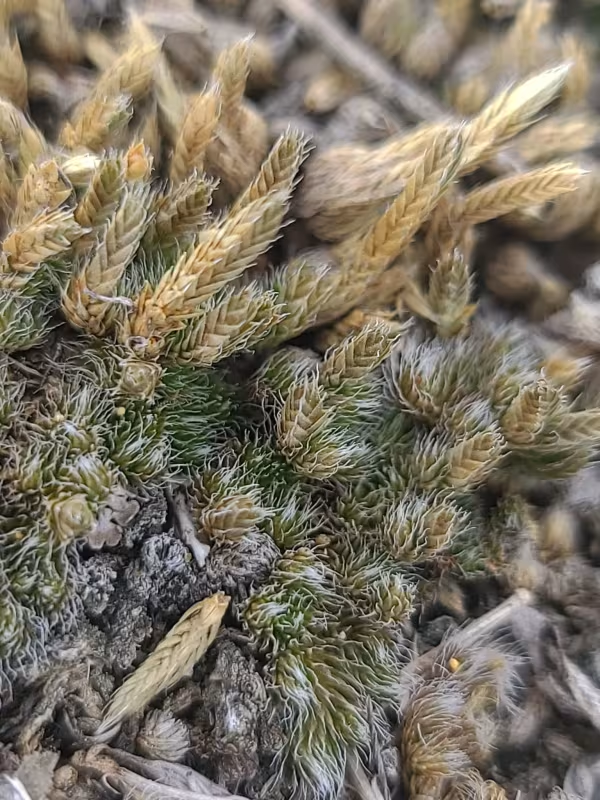
Description
Growing requirements
Selaginella densa is a perennial herbaceous plant belonging to the Selaginellaceae family. As a member of the lycophytes, it is characterized by a low-growing, mat-forming habit that creates dense, moss-like carpets in its native habitat.
The plant originates from North America, specifically occurring in mountainous and rocky terrains. This evolutionary background has equipped the species with high resilience to extreme temperatures and mineral-poor soil conditions.
In terms of cultivation requirements, Selaginella densa thrives in well-drained, sandy, or rocky soil substrates. Proper drainage is the most critical factor for its survival, as the root system is extremely prone to decay when exposed to standing water.
Regarding climate, the plant prefers cool, temperate conditions and partial shade. While it can handle some exposure, intense direct sunlight is generally detrimental and can lead to rapid desiccation of the delicate microphylls.
The primary horticultural application for this species is in specialized rock gardens or xeriscaping. Its slow growth rate and compact structure make it an excellent choice for ground-level textures where a persistent, low-maintenance green cover is desired.
Main diseases and pests
The main threats to the health of Selaginella densa include fungal pathogens, particularly those causing root and crown rot. These diseases are almost always associated with improper irrigation practices or poor soil aeration.
Spider mites represent the most significant pest concern, especially when the plant is kept in environments with low relative humidity. Infestations manifest as yellowing of the foliage followed by widespread dieback if left untreated.
Scale insects can also impact the growth of the plant in greenhouse settings. They feed on plant sap and can cause structural weakness, requiring prompt manual intervention or the application of systemic insecticides.
Inappropriate soil chemistry, such as high pH levels or excessive nutrient concentrations, can cause physiological stress, making the plant more susceptible to opportunistic pathogens. A balanced, slightly acidic substrate is typically recommended.
Effective management strategies should focus on ensuring adequate airflow around the plant canopy and strict irrigation monitoring. Sanitation measures, such as removing dead plant debris, are essential to minimize the risk of recurring infections.