
Selaginella delicatula
Selaginella delicatula
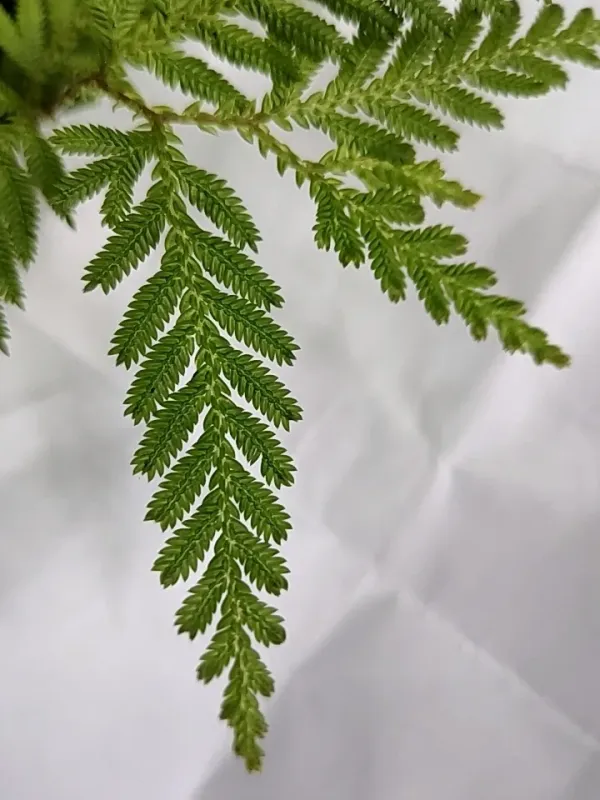
Description
Growing requirements
Selaginella delicatula is a perennial plant belonging to the Selaginellaceae family. Known for its delicate, fern-like appearance, it is native to the tropical regions of Southeast Asia, where it thrives in shaded and humid forest floors.
Botanically, this species is characterized by its creeping stems and scale-like leaves that form a dense, moss-like mat. It does not produce flowers or seeds, instead reproducing through spores, which is typical for plants in this primitive group.
Regarding climatic requirements, it demands a warm and consistently humid environment. It is not cold-hardy and should be kept in temperatures ranging from 18 to 24 degrees Celsius. Low humidity levels will quickly cause the fronds to crisp and die back.
Soil requirements are critical for the health of this species. It prefers a rich, well-draining, and slightly acidic medium. A blend of peat moss and perlite is often recommended to maintain moisture without causing waterlogging, which can be fatal.
Agricultural management requires careful attention to irrigation. The plant must be kept consistently moist at all times. Using filtered or distilled water is preferred, as high chlorine or mineral content in tap water can damage its sensitive tissues.
Main diseases and pests
The primary threats to Selaginella delicatula include various fungal pathogens that thrive in stagnant air. Grey mold and root rot are common issues if the plant is grown in areas with poor airflow or if it remains constantly waterlogged.
Pest management focuses on controlling spider mites and scale insects. These pests often infest the plant when it is weakened by environmental stress, particularly low humidity. Maintaining high ambient moisture is the most effective preventative measure.