
Selaginella wallichii
Selaginella wallichii
Description
Growing requirements
Selaginella wallichii is a perennial plant belonging to the Selaginellaceae family. Native to the tropical regions of Southeast Asia, this species thrives in the understory of dense forests, where it benefits from consistent shade and high humidity levels.
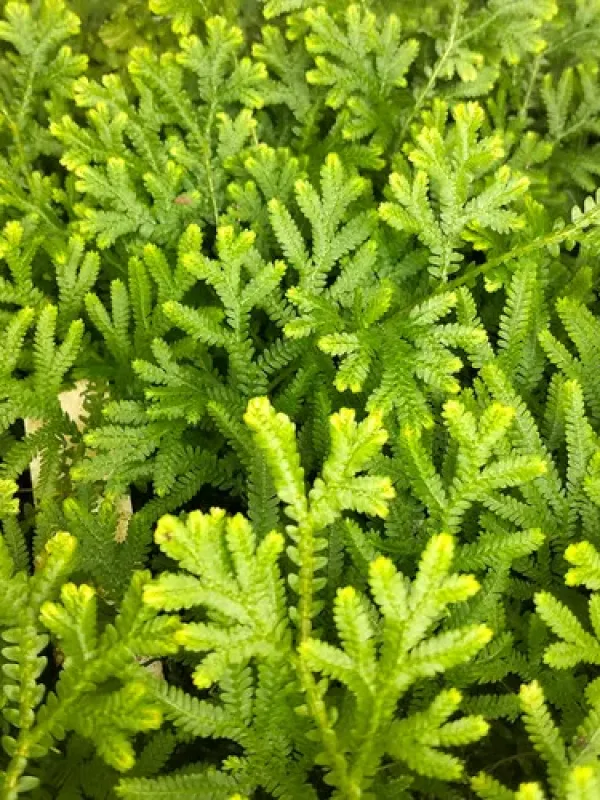
The plant exhibits a creeping growth habit with complex, feathery fronds that are highly decorative. Its biological structure is adapted to low-light environments, making it a specialized crop for controlled indoor settings or specialized conservatory environments.
For successful cultivation, the humidity must be kept consistently above 70%. Temperature management is equally critical, as Selaginella wallichii prefers a stable range between 18°C and 24°C, avoiding any extremes that could damage its delicate foliage.
The substrate requirement includes a well-draining, peat-based potting mix that retains moisture without becoming waterlogged. The addition of perlite or vermiculite is recommended to ensure that the root system has sufficient aeration throughout the growing cycle.
Selaginella wallichii is primarily utilized in the ornamental horticultural sector. It is widely used in terrariums, vivariums, and as a ground cover plant in greenhouses where tropical biodiversity is maintained for display or scientific research.
Main diseases and pests
Fungal diseases are the primary threat to this plant, often triggered by overwatering or stagnant air conditions. Root rot is the most common condition resulting from improper drainage, requiring an immediate adjustment of the irrigation schedule.
Spider mites are the most notorious pests affecting Selaginella wallichii, especially when ambient air humidity drops below the required thresholds. These pests thrive in dry environments and can quickly infest the dense canopy of the plant.
Scale insects and mealybugs can also pose a risk to the plant's vitality by feeding on the sap of the stems. Regular inspection of the undersides of the fronds is essential for early detection and manual removal of these pests.
Botrytis, or gray mold, can occur if the humidity is high but ventilation is poor. Ensuring adequate air movement around the foliage is a key management strategy to prevent the development and spread of various fungal spores.
Symptoms such as browning frond tips are usually indicators of environmental stress. Addressing these symptoms early, usually by checking for soil moisture balance or adjusting the humidity, is vital for the long-term health of the crop.