
Selaginella tamariscina
Selaginella tamariscina
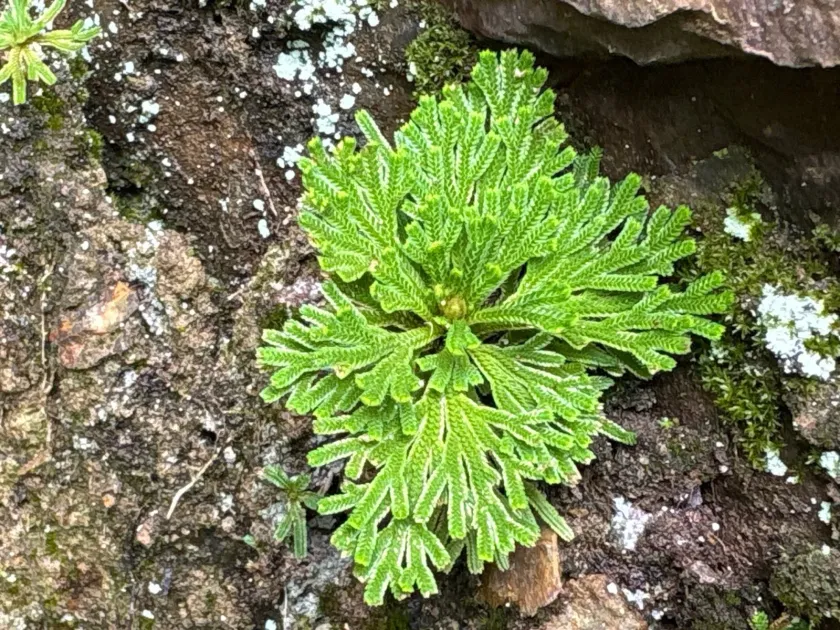
Description
Growing requirements
Selaginella tamariscina is a perennial plant species belonging to the Selaginellaceae family. Native to East Asia, it thrives in rocky environments and cliff crevices, showing remarkable resilience to environmental fluctuations.
For successful cultivation, the plant requires semi-shaded conditions. Intense direct light should be avoided as it leads to leaf scorching and rapid desiccation of the plant's delicate tissues.
The ideal growing medium must be well-draining yet capable of holding moisture. A substrate mix containing organic peat, coarse sand, and small gravel provides the necessary drainage for healthy root development.
The species exhibits a unique biological mechanism known as poikilohydry. When moisture is scarce, the plant curls into a ball to protect itself, surviving in a dormant state until water is provided, upon which it rapidly resumes growth.
Consistent environmental management is key, particularly maintaining high humidity levels. In a greenhouse setting, misting systems or a controlled humid environment are necessary to support vigorous growth and prevent the plant from entering premature dormancy.
Yield
Selaginella tamariscina is primarily utilized in the pharmaceutical industry due to the presence of bio-active flavonoids. It is a significant plant in traditional medicine, requiring specific harvesting practices to maintain the quality of the raw material.
From an ornamental perspective, the plant is highly valued for its unique growth pattern and its ability to recover from drought. It is a staple in terrarium designs and indoor rock gardens where space and water management are controlled.
Growth rates are relatively slow, making the production cycle long. Commercial production necessitates a steady supply of clean, pathogen-free planting material to ensure long-term sustainability.
Propagation is typically achieved through division of the rhizomes or by spore collection. Maintaining strict sanitary standards during the propagation phase is vital to prevent contamination.
Efficient yield management relies on optimizing greenhouse parameters, such as light intensity and nutrient availability, ensuring that the plant receives only enough fertilizer to maintain health without inducing excessive, non-hardy growth.
Main diseases and pests
Overwatering is the most significant threat to this crop. Poorly aerated soils lead to root rot and fungal infections that can rapidly compromise the health of the entire planting area.
Spider mites are the most common pest, especially in environments where air humidity is not sufficiently maintained. These pests can rapidly colonize and weaken the plant, causing foliage discoloration and growth cessation.
To mitigate disease risks, it is essential to ensure adequate airflow around the plants. Stagnant air creates a perfect environment for powdery mildew and other airborne fungal pathogens to thrive.
When chemical treatments are necessary, they must be applied with care, as Selaginella species are sensitive to many common herbicides and pesticides. Biological controls are generally preferred for better long-term results.
Regular monitoring of the foliage for signs of pests or nutritional deficiencies allows for early intervention, ensuring that the health of the crop is maintained throughout the production cycle.